Skin Theory
The answer often begins with identifying triggers, not adding more products.

Sensitivity is not always a fixed skin type. Sometimes, it is a threshold that has gradually become easier to cross.
A cleanser that once felt comfortable begins to sting. Weather changes suddenly cause redness. A trusted moisturiser feels irritating for no obvious reason.
The skin has not become weak, nor has it simply “forgotten” how to protect itself. Sensitivity can develop or become more noticeable when several factors begin acting at the same time.
Sensitivity is a response, not one diagnosis
Sensitive skin is generally described through sensations such as burning, stinging, itching or tightness in response to triggers that would not normally cause discomfort. Research suggests that both altered barrier function and heightened sensory nerve responses may be involved, although the exact mechanism differs between people.
This is why two people can use the same product and experience it completely differently.
The formula may be identical. The skin receiving it is not.
Why tolerance can change
Skin is exposed to more than skincare. Its response can also be influenced by:
Repeated use of irritating or unsuitable products
Frequent exfoliation or several active ingredients used together
Heat, cold, wind and changes in humidity
Ultraviolet exposure and pollution
Hormonal changes and psychological stress
Existing conditions such as eczema, rosacea or contact dermatitis
These factors do not necessarily create sensitivity on their own. They can, however, lower the point at which skin begins to feel uncomfortable. Environmental conditions, cosmetics, stress and hormonal factors are all recognised triggers of sensitive skin symptoms.
Sometimes the problem is repeated exposure
Not every reaction appears the first time an ingredient touches the skin.
Allergic contact dermatitis can develop after the immune system becomes sensitised to a particular substance. A product used comfortably in the past may therefore begin causing itching, swelling or redness later. Preservatives, fragrances and other cosmetic ingredients can act as triggers in susceptible individuals.
This is different from ordinary irritation, which can occur when a product is too harsh, too concentrated or used too frequently.
One is an immune reaction. The other is a question of tolerance. Both can feel like sudden sensitivity.
More soothing ingredients are not always the answer
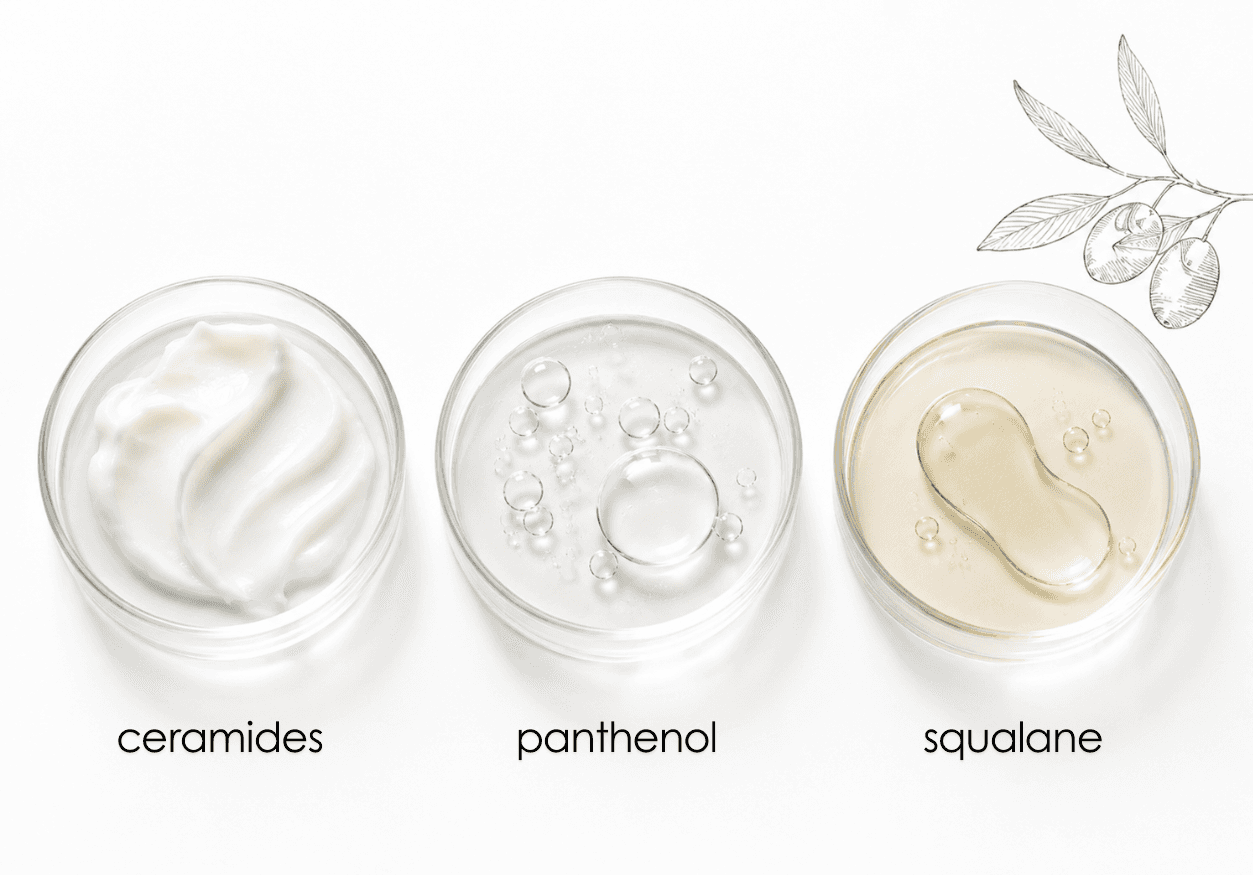
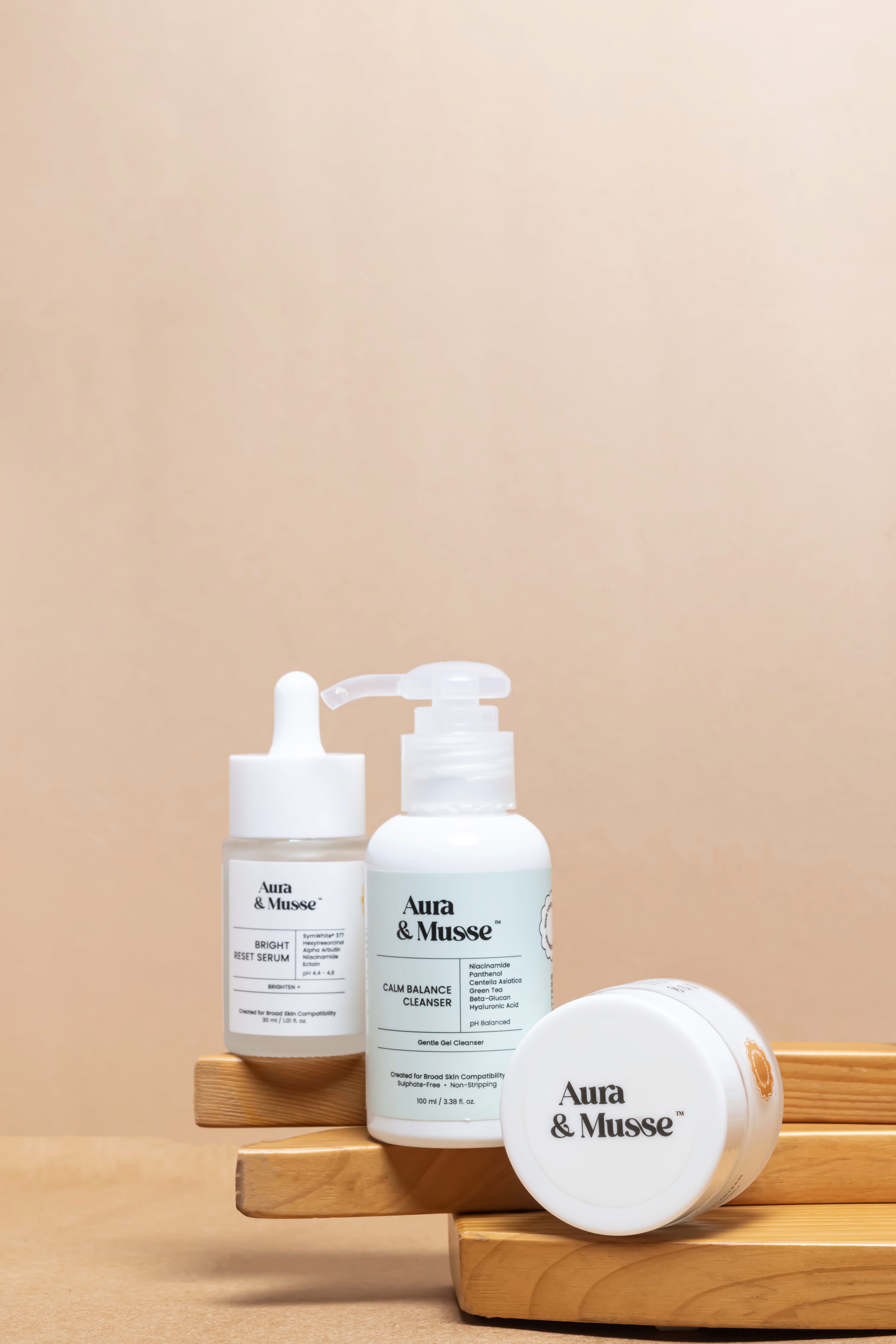
Panthenol, beta glucan and centella asiatica may be useful components of a calming formula, but no ingredient can universally “teach” skin to become tolerant again.
The first step is often subtraction.
Pause the newest or most aggressive additions. Simplify the routine. Use products that cleanse and moisturise without causing discomfort. Introduce anything new gradually and test it on a small area before applying it more widely.
Protection also matters. Sun, temperature changes and pollution can aggravate sensitive skin, so daily sun protection and reduced exposure to known triggers may be as important as the products used afterward.
Know when sensitivity needs more than skincare
Persistent burning, itching, swelling, cracking or recurring redness should not automatically be treated as a damaged barrier.
These symptoms can also be associated with rosacea, eczema, allergic contact dermatitis and other conditions that require professional assessment.
Sensitive skin is not always asking for a richer cream. Sometimes, it is asking for the correct explanation.
The aim is not to make skin resistant to everything.
It is to understand what has lowered its tolerance, remove avoidable triggers and give it fewer reasons to react.