Skin Theory
What separates hydrated skin from moisturized skin and why both matter.

Hydrated vs. Moisturized Skin
Two words that are often used interchangeably, but do different jobs
Touch can tell you that your skin feels uncomfortable.
It cannot always tell you why.
Tightness, roughness, dullness and more noticeable fine lines may all relate to low water content, an impaired moisture barrier, environmental exposure or a combination of factors. That is why diagnosing the skin as simply “dry” or “dehydrated” from one symptom can be misleading.
A more useful distinction is this:
Hydration describes water within the skin.
Moisturisation describes the process of helping skin gain and retain that water.
Hydration changes how skin looks
Water is essential to the stratum corneum, the skin’s outermost layer. When its water content is sufficient, the surface tends to appear smoother, softer and more flexible.
When water content falls, skin may feel tight and fine lines can become more noticeable.
Humectants such as glycerin, urea and sodium PCA help bind water within this outer layer. This is why a hydrating serum can create an immediate plumping effect.
But hydration is only one part of the equation.
Moisturisation changes how hydration lasts
A moisturiser may contain several kinds of ingredients working together:
humectants that increase water content
emollients that soften rough surface cells
occlusives that reduce evaporation
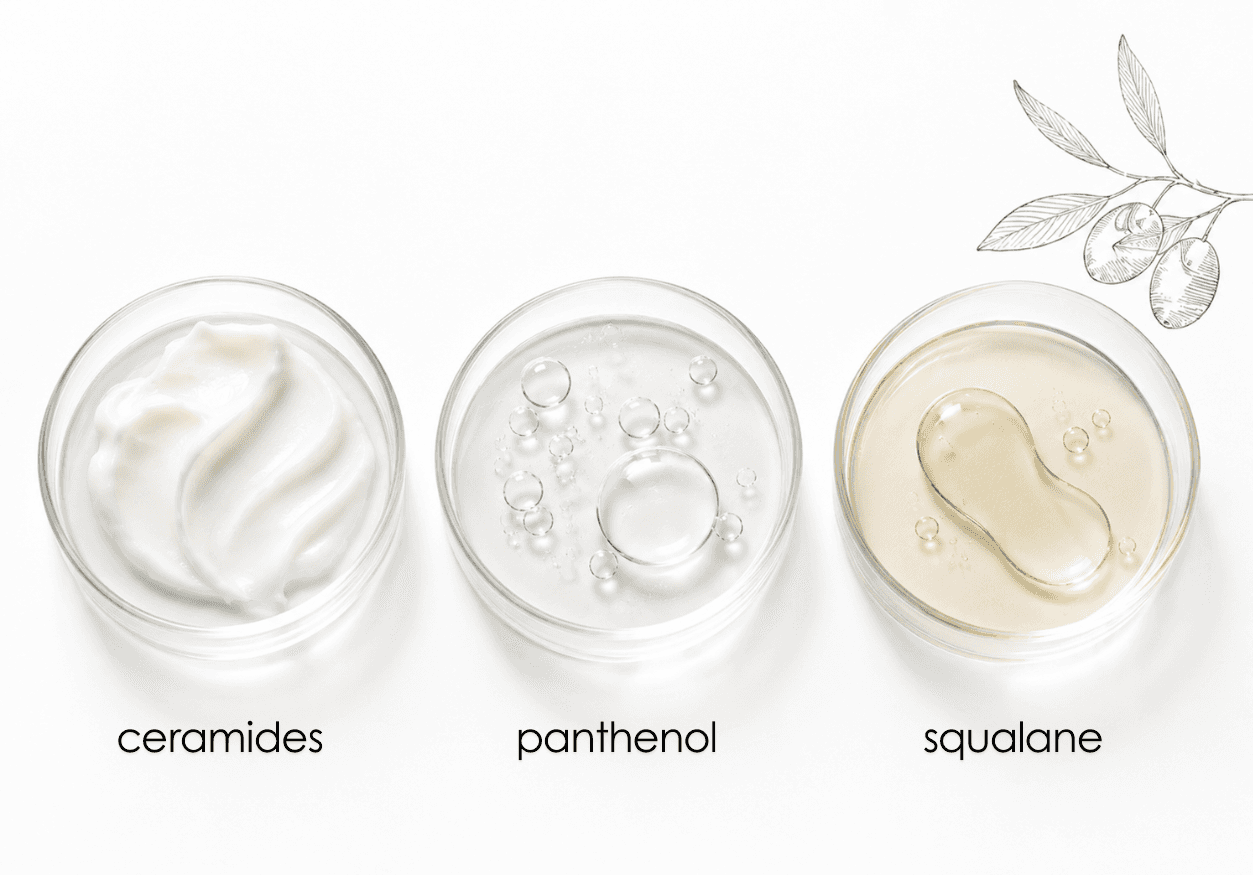
lipids that support the skin’s moisture barrier
So moisturised skin is not simply skin with “more oil.” It is skin whose water content and surface comfort are being supported as a complete system.
Hydration is a condition. Moisturisation is a strategy.
Why oily skin can still feel tight
Surface shine does not necessarily mean the skin contains enough water.
Sebum and water are different components. Skin may produce visible oil while still feeling tight after cleansing, exposure to air-conditioning or frequent use of exfoliating products.
But tightness alone does not prove dehydration. It can also signal irritation or an unsuitable cleanser.
The smarter question is not, “Is my skin oily or dehydrated?”
It is:
“Does my routine add water, reduce unnecessary moisture loss and leave my skin comfortable?”
Your skin may need both
A watery serum can provide hydration without being enough on its own. A rich cream can soften the skin without necessarily supplying the balance your skin prefers.
The answer is not always more layers. It is a formula or combination of formulas that covers both sides:
Water-binding ingredients for hydration.
Emollients and moisture-sealing ingredients for retention.
That is the essential difference.
Hydration influences how much water the skin holds.
Moisturisation helps decide how long that comfort remains.