Seasonal Skin
Winter dryness worsens when colder, less humid air reduces surface hydration and makes a light routine feel less protective than it did in warmer weather.

Winter changes more than how cold the skin feels.
Lower temperatures, reduced humidity and heated indoor environments can alter water content, texture and flexibility within the outer skin. The result may be tightness, roughness, flaking or itching, even when the same routine felt perfectly adequate a few months earlier.
Your moisturiser may not have stopped working. The environment may simply be asking more from it.
Dry air changes the water balance
Water is constantly moving through the outer skin and into the surrounding environment.
When humidity falls, the stratum corneum can hold less water and may become rougher and less flexible. Research on ambient humidity has found changes in skin hydration, elasticity, texture and normal shedding under dry conditions, although the relationship between humidity and measured water loss is more complex than the usual claim that low humidity always makes water escape faster.
This is why winter skin may feel papery or tight even before visible flakes appear.
Natural Moisturising Factor still matters
The skin contains water binding substances collectively known as Natural Moisturising Factor. These include amino acids, urea, lactate and salts that help the corneocytes retain water.
Skin hydration also depends on lipids arranged around those cells, which help control water movement through the surface. Healthy moisture therefore relies on both water binding components and an organised lipid environment.
Cold weather does not make glycerin, urea or sodium PCA stop working.
It simply creates conditions in which a light humectant formula may no longer provide enough softness or moisture retention on its own.
Flaking does not block moisturiser absorption
Dry winter skin often sheds unevenly, causing roughness and visible scaling. Low humidity may influence the enzymes involved in normal desquamation, which can allow surface cells to collect less evenly.
But those flakes do not form an impenetrable paper layer that prevents every moisturiser from absorbing.
The larger problem is that the surface has become less flexible and less comfortable. Moisturiser can still work there, although the skin may require a richer formula or more frequent application.
Exfoliating aggressively to remove every flake can increase irritation and make dryness feel worse.
Winter habits can add to the problem
Cold weather often changes behaviour as much as climate.
Showers become hotter. Time spent beneath the water becomes longer. Indoor heating remains on for hours. Moisturiser may be applied only after the skin has already dried completely.
Hot water and prolonged bathing can worsen dry skin, while regular moisturising soon after washing helps retain some of the water left on the surface. Dermatologists recommend warm water, gentle drying and prompt moisturiser application rather than scrubbing or very hot showers.
A useful winter reset includes:
• Shorter showers with lukewarm water
• Gentle cleansing only where it is needed
• Patting the skin instead of rubbing it dry
• Applying moisturiser while the skin remains slightly damp
• Reapplying to areas that become dry during the day
Change the texture before adding more steps
A gel moisturiser may provide enough comfort during a humid summer but feel insufficient in winter.
Instead of adding several serums underneath it, consider whether the moisturiser itself needs more emollient or occlusive support.
Look for formulas combining:
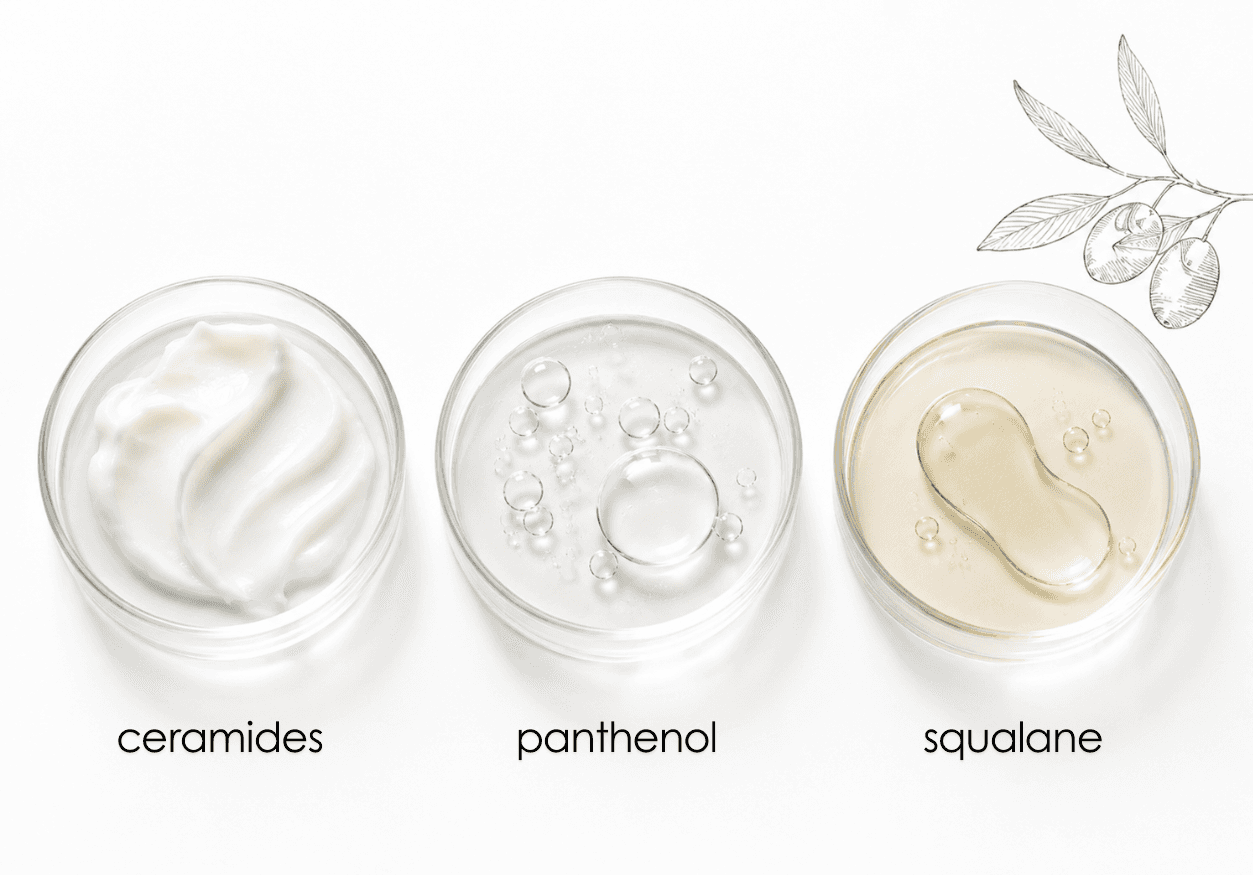
Humectants, such as glycerin, urea or hyaluronic acid, to improve water content
Emollients, such as squalane, to soften roughness and improve flexibility
Occlusive ingredients, to slow evaporation from the surface
Barrier lipids, such as ceramides, cholesterol and fatty acids, to support the lipid environment involved in moisture retention
Research suggests that ceramide containing creams can help maintain hydration and barrier measurements during winter indoor exposure, although the benefit belongs to the tested formula rather than ceramides in isolation.
Hard water is not automatically worse in winter
Winter does not necessarily make the local water supply more mineral rich.
Water hardness depends mainly on its source and treatment. It may influence how certain cleansers lather or deposit on the skin, but there is not strong evidence that seasonal hard water creates a mineral layer that blocks moisturiser.
Before changing to filtered water or adding a no rinse toner, examine the more likely causes:
• Water temperature
• Shower duration
• Cleanser strength
• Washing frequency
• Indoor humidity
• Moisturiser texture
A toner is not required to neutralise winter water, and fragranced or active toners may irritate skin that is already dry.
Exfoliation is optional, not a winter requirement
Lactic acid and other gentle exfoliants can improve rough texture in suitable skin, but dryness alone does not mean exfoliation is necessary.
When the skin is stinging, cracked or visibly irritated, pause acids and focus on cleansing, moisturising and protection.
Once the skin feels comfortable, exfoliation can be introduced carefully if roughness remains. The correct frequency depends on the product and the skin’s tolerance, not a universal weekly schedule.
A practical winter routine
Morning
Cleanse only when needed
Apply one hydrating or treatment step when useful
Use a more cushioning moisturiser
Finish with broad spectrum sunscreen
Evening
Cleanse gently
Pause unnecessary exfoliation when the skin feels reactive
Apply moisturiser while the skin remains slightly damp
Add a thin occlusive layer only to persistently flaky areas when needed
Winter dryness is not a completely broken water cycle.
It is a shift in the conditions controlling skin hydration, surface flexibility and product comfort.
The smartest seasonal change is usually not a longer routine. It is a formula with enough substance for the air your skin is living in.