Skin Concerns
Redness and sensitivity can arise from irritation, vascular flushing, sensory nerve activity or allergy, which is why the right response begins with identifying the pattern.

Redness and sensitivity are often spoken about as though they are the same concern.
They can overlap, but they are not identical.
Redness describes a visible colour change caused by increased blood flow, inflammation or both. Sensitivity describes sensations such as burning, stinging, itching or tightness in response to something the skin would normally tolerate.
One can appear without the other.
The colour tells you that the skin has responded. It does not tell you why.
Sometimes it is straightforward irritation
Cleansing too frequently, exfoliating aggressively or combining several active products can irritate the skin.
When the surface becomes less effective at limiting water loss and controlling the entry of irritants, ordinary products may begin to feel unusually sharp. Barrier changes are associated with some cases of sensitive skin, although sensitivity can also involve heightened sensory nerve activity.
Possible clues include:
• Tightness after washing
• Burning during product application
• Flaking alongside redness
• Discomfort that began after a routine change
• Improvement after the suspected product is stopped
The response is usually subtraction first. Pause the likely irritants, reduce friction and use a simple moisturiser that the skin already tolerates.
Flushing follows a different mechanism
A face that becomes red during heat, stress, exercise, spicy meals or alcohol may be experiencing vascular flushing rather than a damaged barrier.
Blood vessels near the surface widen temporarily, allowing more blood to flow through the area. In rosacea prone skin, heat, emotional stress, alcohol and spicy food are recognised triggers, although each person may respond to a different set of conditions.
This kind of redness often:
• Appears quickly
• Feels warm
• Centres around the cheeks, nose, chin or forehead
• Fades and returns with specific triggers
• May occur without flaking
Reducing a known trigger can help, but food, caffeine or alcohol do not need to be removed from every routine unless they consistently cause a reaction.
The nerves can amplify the experience
Skin contains sensory nerves that detect temperature, pain and chemical irritation.
In some sensitive skin conditions, these nerves may respond more intensely to heat, cosmetics or environmental changes. Neuroimmune communication can then contribute to burning, stinging and inflammation, particularly in conditions such as rosacea.
This is why a product can feel painful even when visible redness appears mild.
It is also why telling someone that their skin “looks fine” does not invalidate the discomfort.
Sensitivity is partly visible biology and partly sensory experience.
Allergy is not the same as sensitivity
A product that causes redness is not automatically causing an allergy.
Irritant reactions can occur when an ingredient or formula overwhelms the skin’s tolerance. Allergic contact dermatitis involves an immune response to a particular substance, often after previous exposure.
Fragrance is a recognised cosmetic allergen, and essential oils can also cause allergic contact dermatitis in susceptible users.
Possible signs of allergy include:
• Intense itching
• Swelling
• A rash that spreads beyond the application area
• Blistering or oozing
• A reaction that returns whenever the same ingredient is used
Persistent or repeated reactions may require professional patch testing. Adding more calming ingredients will not remove an allergy to something already present in the formula.
Friction can keep redness active
Shaving, rubbing with towels, tight mask edges, helmets and repeated touching can create mechanical irritation.
The response is often localised, following the exact area where pressure or movement occurs. Sweat and heat can make the discomfort more noticeable, but sweat minerals do not automatically create lasting inflammation.
Reduce the mechanical trigger where possible:
Use lukewarm water
Pat rather than rub
Keep shaving tools clean and sharp
Reduce repeated pressure from straps or masks
Cleanse gently after significant sweating
Use a cool compress rather than placing ice directly on the skin
Pollution is one factor, not the full explanation
Pollution can contribute to oxidative stress and inflammatory activity at the skin surface. It may worsen existing sensitivity in some people, particularly when combined with ultraviolet exposure and heat.
But dust does not soften pores, and humidity does not automatically keep every person’s skin inflamed.
The most useful protection remains practical:
• Comfortable cleansing at the end of the day
• Broad spectrum sunscreen
• Avoiding unnecessary friction
• A moisturiser suited to the climate
• Antioxidants when the formula is well tolerated
Choose calming ingredients with realistic expectations
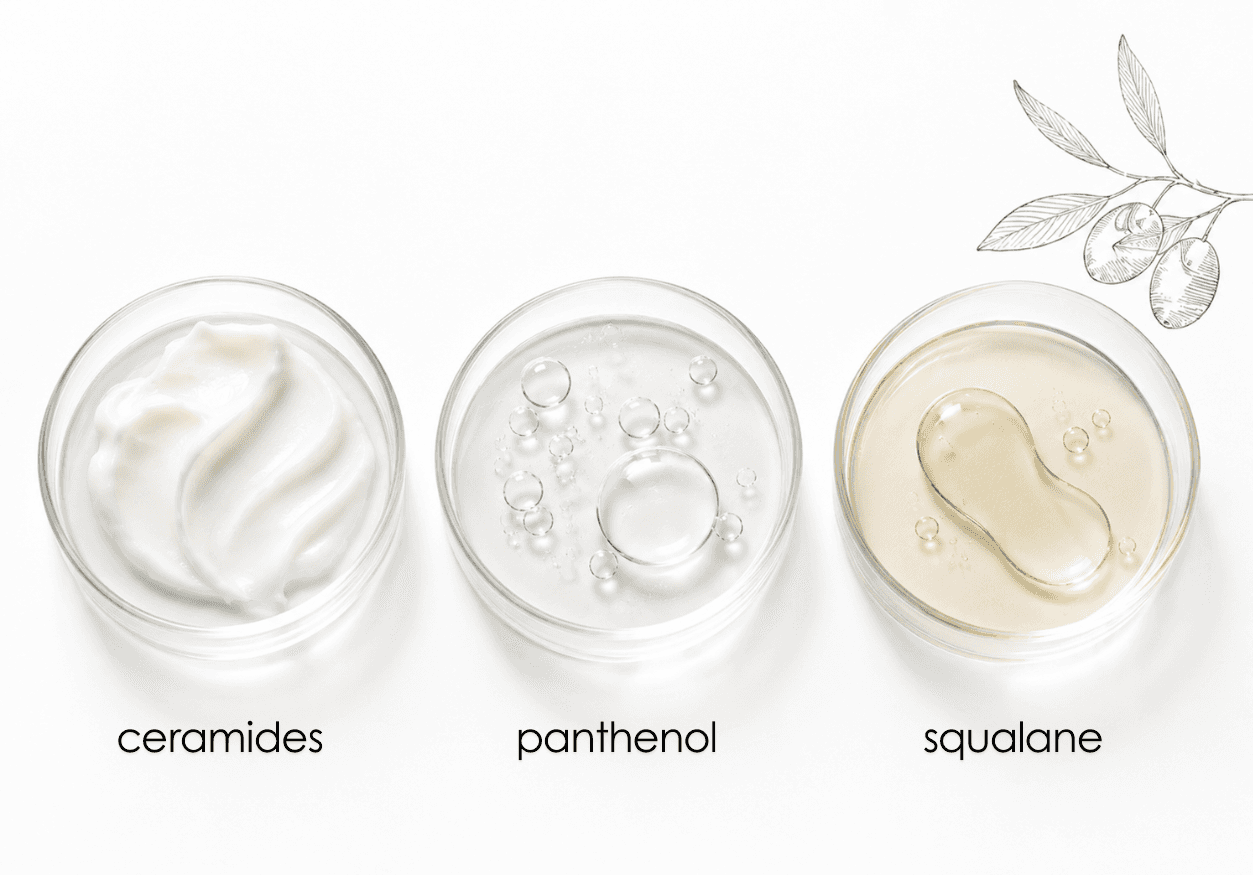
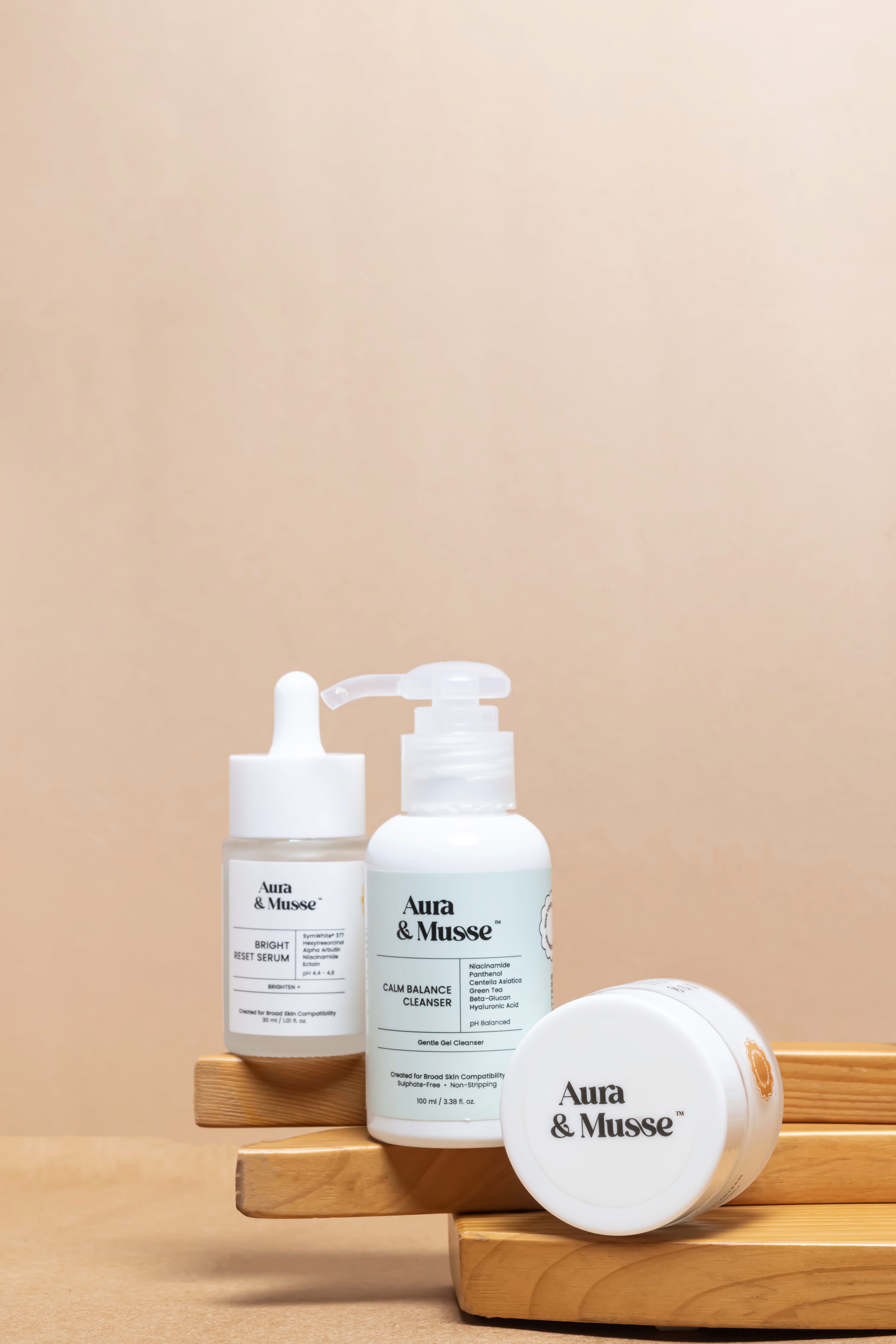
Panthenol, colloidal oat, centella asiatica, beta glucan, allantoin and ectoin may contribute to hydration and comfort.
Ceramides, cholesterol and suitable emollients may support moisture retention.
These ingredients do not directly command blood vessels to stop flushing or switch sensory nerves off. Their role is to create a more supportive formula while the actual trigger is identified.
Calming skincare can improve the conditions around redness. It cannot diagnose the condition causing it.
When redness needs professional attention
Persistent facial redness may be associated with rosacea, eczema, contact dermatitis or another inflammatory condition.
Consider seeing a dermatologist when redness:
• Becomes persistent rather than temporary
• Includes visible blood vessels
• Appears with acne like bumps
• Causes significant burning or eye irritation
• Spreads, swells or forms a rash
• Continues despite simplifying the routine
Rosacea can present with flushing, persistent redness, burning, stinging and inflammatory bumps, and it may be mistaken for ordinary sensitivity or acne.
Redness is not one message written in one language.
It may be irritation, flushing, allergy, friction or an underlying condition.
The intelligent response is not to silence every reaction with another product. It is to recognise which system is speaking.