Seasonal Skin
Monsoon skincare works best when it manages sweat, residue and congestion without mistaking humidity for hydration.

Monsoon weather creates a strange contradiction.
The air feels wet, yet the skin may still feel uncomfortable. The face looks shiny, but certain areas remain tight. Products that felt weightless in summer suddenly seem slower to settle.
Humidity does not create a new skin type.
It changes the conditions in which sweat, sebum, skincare and sunscreen behave.
The monsoon adjustment is not about using less care. It is about carrying less residue.
Clean away accumulation, not every trace of oil
During humid weather, sweat evaporates less efficiently. It can remain mixed with sebum, sunscreen, makeup and outdoor residue for longer.
In acne prone skin, this combination can contribute to congestion, particularly when friction from masks, helmets or clothing is also present. Hot and humid seasons have been associated with acne aggravation in tropical climates, although the pattern is not universal.
Use a mild cleanser in the evening to remove what has collected through the day. Cleanse again after significant sweating when practical.
There is no proven rule that every cleanser must be massaged for exactly forty five or sixty seconds. Use enough time to distribute it evenly and loosen the products being removed, without prolonged rubbing.
Morning cleansing can depend on the skin. A water rinse may be sufficient for some people, while visible oil, sweat or overnight residue may still justify a gentle cleanser.
Reduce repetition before changing ingredients
A toner, essence and hydrating serum may all contain similar humectants.
In monsoon weather, each layer can add another film to a surface already carrying sweat. The problem is not that hyaluronic acid behaves badly in rain or that glycerin becomes unsuitable in humidity.
It is often simple repetition.
Choose one hydrating step that settles comfortably. Skip the additional layer when it performs the same function.
One useful layer is easier to wear than three nearly identical ones.
Keep moisturiser flexible
Humidity does not moisturise the skin automatically.
Cleansing, acne treatments, air conditioning and sun exposure can still create dryness. The difference is that a rich cream may feel more noticeable when sweat remains on the surface.
A fluid lotion, gel cream or light emulsion may be more comfortable during the day. Richer support can be reserved for dry areas or evenings spent in cooled indoor air.
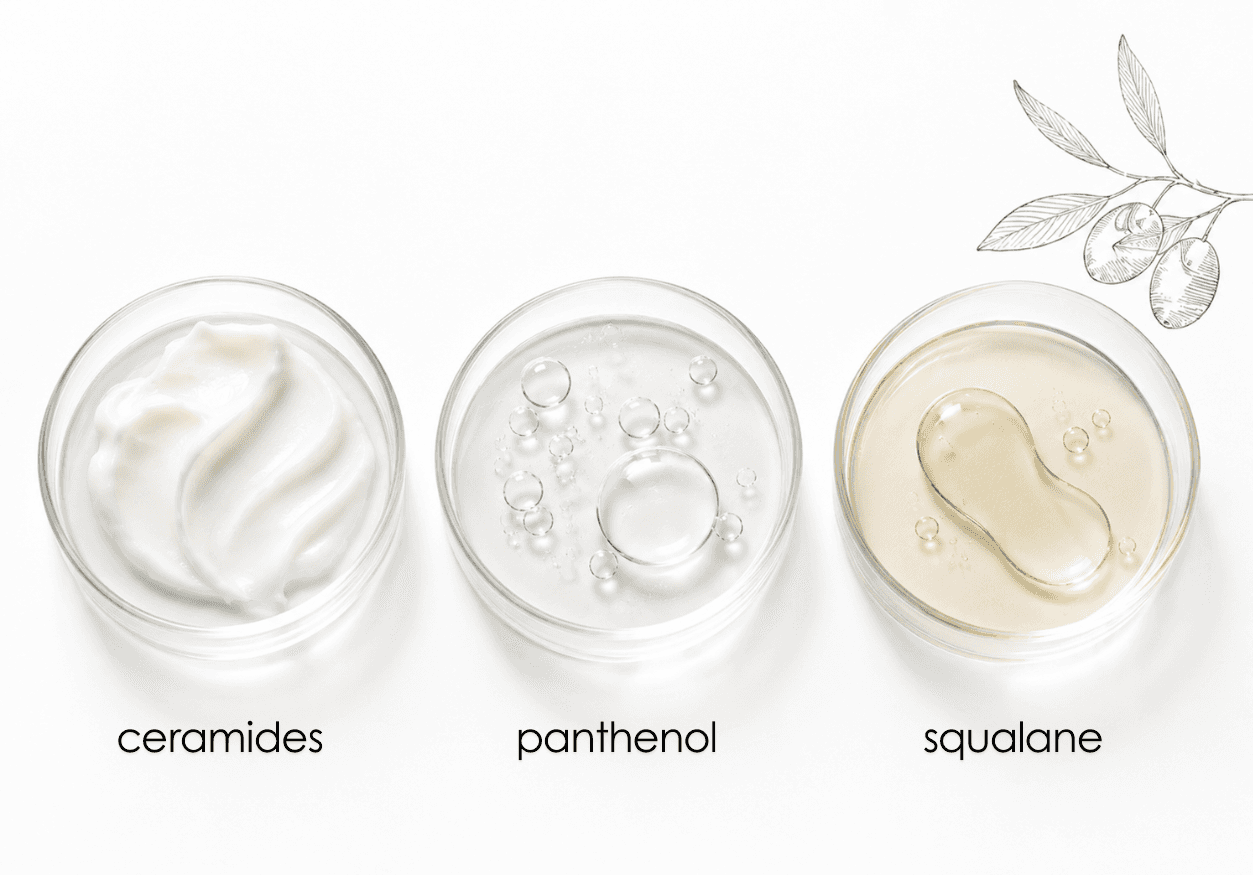
Ingredients such as squalane or isoamyl laurate may contribute to a lighter spread, but they do not make a product breathable by themselves. The complete formula determines whether it feels silky, greasy or sticky.
Moisturiser also does not need to be avoided across the entire T zone. Apply according to comfort rather than following a fixed face map.
Treat congestion with precision
Monsoon shine does not mean the skin needs daily exfoliation.
Salicylic acid may help with clogged pores and acne. Azelaic acid can support acne and the marks that remain afterward. Niacinamide may modestly improve certain measurements of facial oiliness in some formulas.
But using several treatments together increases the possibility of irritation without guaranteeing clearer skin.
Choose one concern and one suitable treatment.
• For clogged pores, consider salicylic acid
• For acne with uneven marks, consider azelaic acid
• For visible oiliness, consider a well tolerated niacinamide formula
• For inflamed spots, benzoyl peroxide may be useful
Frequency should follow the product directions and the skin’s tolerance. Short contact use is not automatically necessary unless the treatment or a dermatologist specifically recommends it.
Let sunscreen remain the substantial step
Do not reduce sunscreen quantity to compensate for a sticky routine.
Instead, simplify the products underneath it.
Choose broad spectrum, water resistant sunscreen with SPF 30 or higher. Sweat and water can remove sunscreen from the skin, so reapplication remains important during prolonged outdoor exposure and after significant sweating.
Fluid and gel cream textures may feel easier to wear during the monsoon, but texture does not determine protection by itself.
Apply the sunscreen evenly and allow it to settle. There is no universal requirement to wait exactly sixty seconds or press it into place.
Sticks and sprays can be convenient for reapplication, but they still require sufficient, even coverage.
Friction can explain patterned breakouts
Breakouts around the jaw, temples or forehead may follow the exact placement of helmet straps, masks, caps or damp hair.
Sweat does not become harmful simply because it remains on the skin for a few minutes. The more relevant problem is sweat combined with pressure, rubbing and accumulated residue.
During humid commutes:
Blot sweat gently instead of rubbing
Keep helmet padding, straps and mask edges reasonably clean
Change out of damp clothing when possible
Cleanse after prolonged sweating
Avoid repeatedly touching congested areas
Dermatology guidance recommends gentle handling of sweat because rough wiping can aggravate acne prone skin.
Do not blame every reaction on monsoon water
Rain does not automatically make tap water harder.
Water hardness depends largely on the mineral content of the local supply and can vary by source and treatment system. Research suggests that hard water can increase the deposition of certain surfactants and may contribute to irritation, particularly in people with atopic dermatitis.
That does not prove that mineral residue blocks skincare absorption or causes monsoon acne.
Before switching to filtered water, examine the cleanser, rinsing, water temperature and frequency of washing. A no rinse toner is not a necessary solution and may introduce fragrance or other ingredients that reactive skin does not tolerate.
Build the routine around residue control
A practical monsoon routine can remain simple.
Morning
Gentle cleanse or water rinse according to need
One purposeful serum
Lightweight moisturiser when required
Broad spectrum, water resistant sunscreen
Evening
Cleanse away sunscreen, sweat and daily residue
Use one targeted treatment when needed
Finish with a comfortable moisturiser
After heavy sweating
Blot gently
Rinse or cleanse when practical
Reapply sunscreen when returning outdoors
Monsoon skincare does not need special rules for every drop of rain.
It needs enough cleansing to manage accumulation, enough moisture to maintain comfort and few enough layers that the routine can coexist with humidity.
The season adds moisture to the air. Your routine still has to decide what belongs on the skin.