Skin Concerns
When moisturiser does not relieve dryness, the problem may be the formula, cleansing routine, environment or an underlying skin condition, not simply the amount applied.
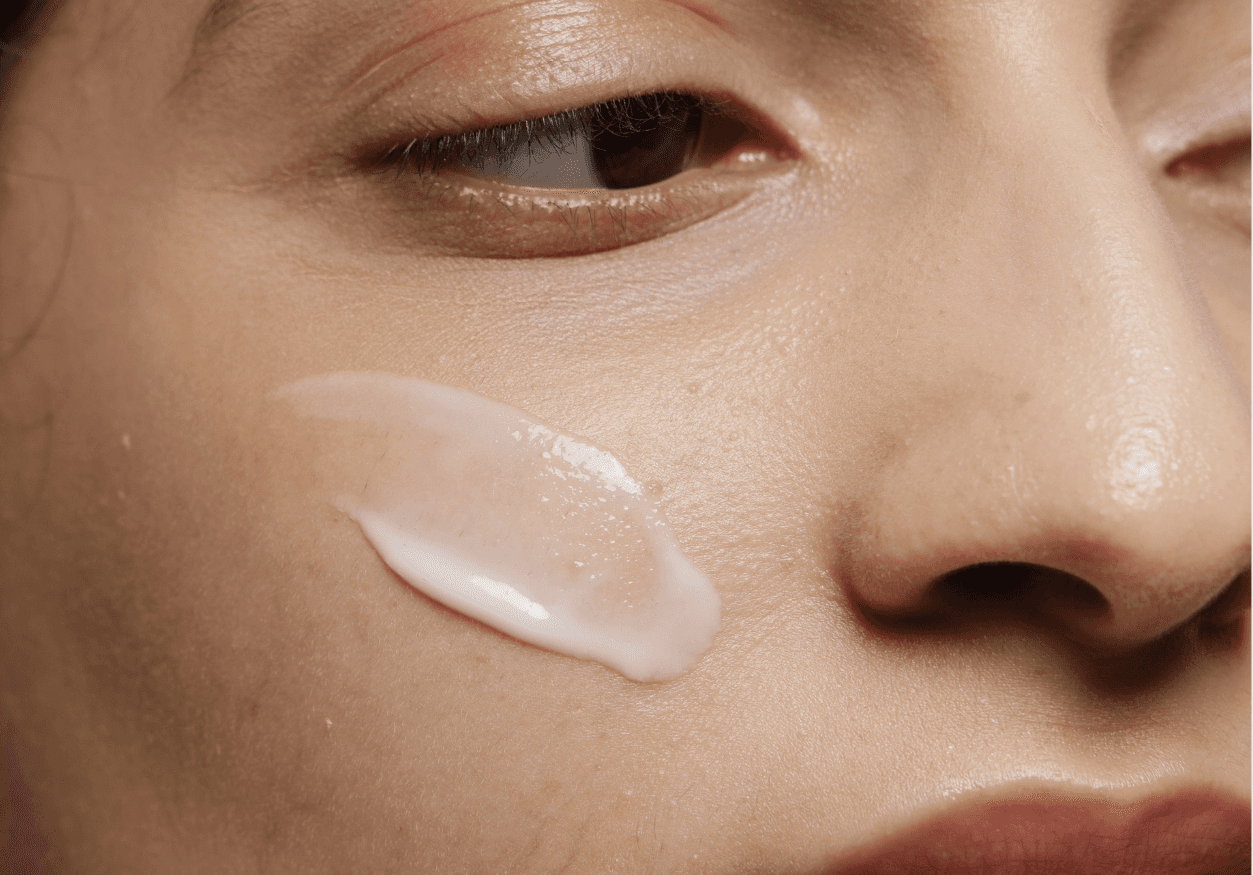
Applying moisturiser should make skin feel softer and more comfortable.
When tightness returns quickly, the instinct is often to add another layer or switch to a heavier cream. Sometimes that works. Other times, the dryness continues because the product is not addressing the reason the skin feels dry.
More moisturiser is not always the answer. Better moisturising may be.
Your moisturiser may be doing only one job
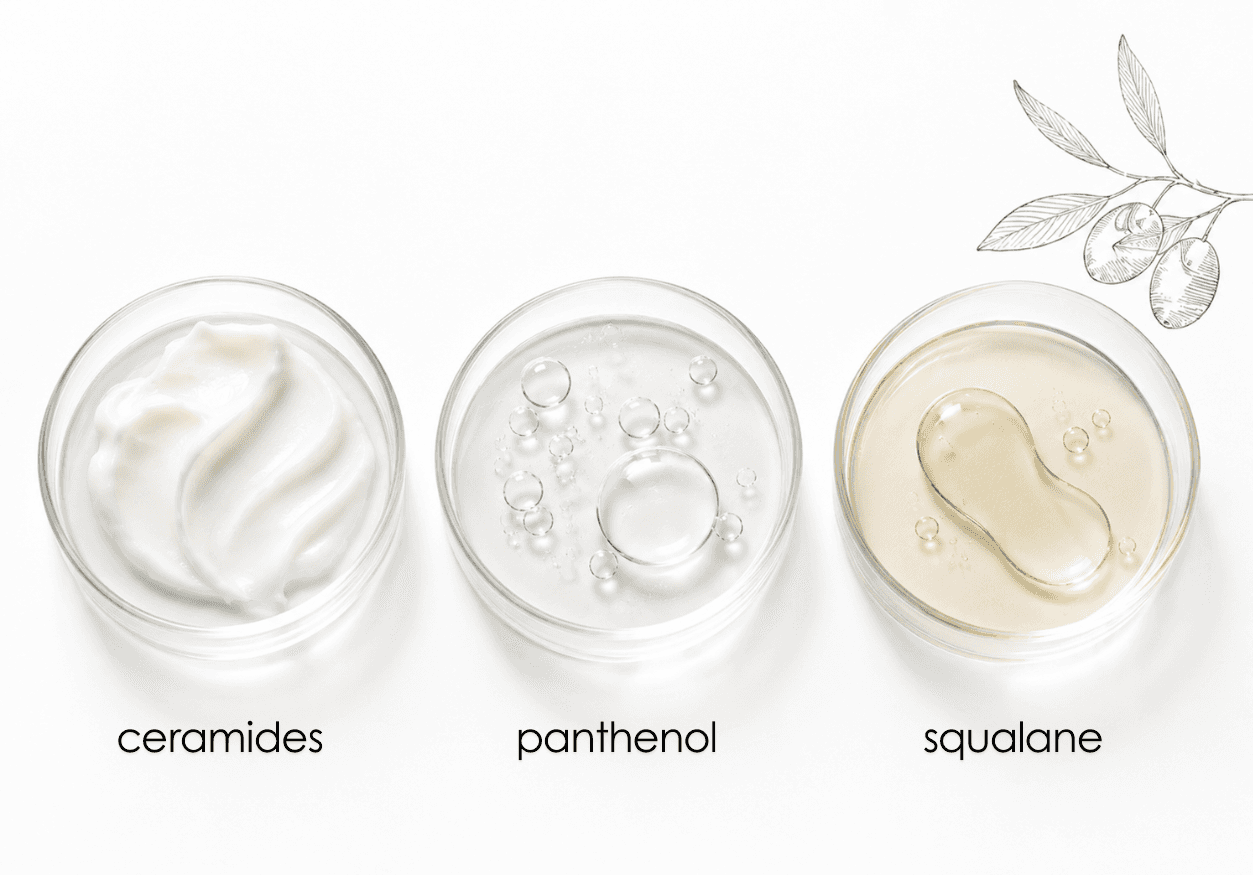
Moisturisers are not defined by richness alone. They can combine several ingredient functions:
Humectants, such as glycerin and hyaluronic acid, help increase water within the outer skin.
Emollients soften rough areas and improve surface flexibility.
Occlusives create a film that reduces water evaporation.
A light gel may contain excellent humectants but provide too little emollient or occlusive support for very dry skin. A balm may reduce evaporation effectively but still feel uncomfortable if it lacks enough water binding or softening ingredients.
The most useful formula is often one that combines these functions rather than relying heavily on only one.
Humectants do not require wet skin to work
It is often claimed that glycerin or hyaluronic acid cannot work unless they are applied over water.
That is too absolute.
A properly formulated moisturiser or serum already contains water and is designed to deliver its ingredients as a complete system. Applying it to slightly damp skin may help retain some of the water left after cleansing, but misting the face first is not compulsory.
Dermatologists commonly recommend moisturising while skin is still damp because this can help reduce evaporation and improve comfort. There is no scientifically established rule that the product must be applied within exactly sixty seconds. One study in healthy skin found no meaningful difference between immediate and delayed moisturiser application, while another supported application within five minutes as part of an effective routine.
Apply promptly when practical. Do not treat the stopwatch as part of the formula.
Your cleanser may be undoing the comfort
A moisturiser cannot always compensate for a cleanser that repeatedly leaves the skin tight, sore or flaky.
Harsh cleansing, frequent washing and hot water can disturb surface lipids and increase irritation. Cleanser residue may also remain when a formula is difficult to rinse, contributing to discomfort.
Consider whether:
• Tightness begins immediately after washing
• The cleanser creates a squeaky finish
• You cleanse more than twice daily
• Hot water is used regularly
• Exfoliating treatments are applied soon afterward
In this situation, changing the cleanser may be more useful than applying an increasingly heavy moisturiser.
Texture should match the environment
A gel cream may feel ideal in heat and humidity, then become insufficient during winter, travel or long hours in cooled indoor spaces.
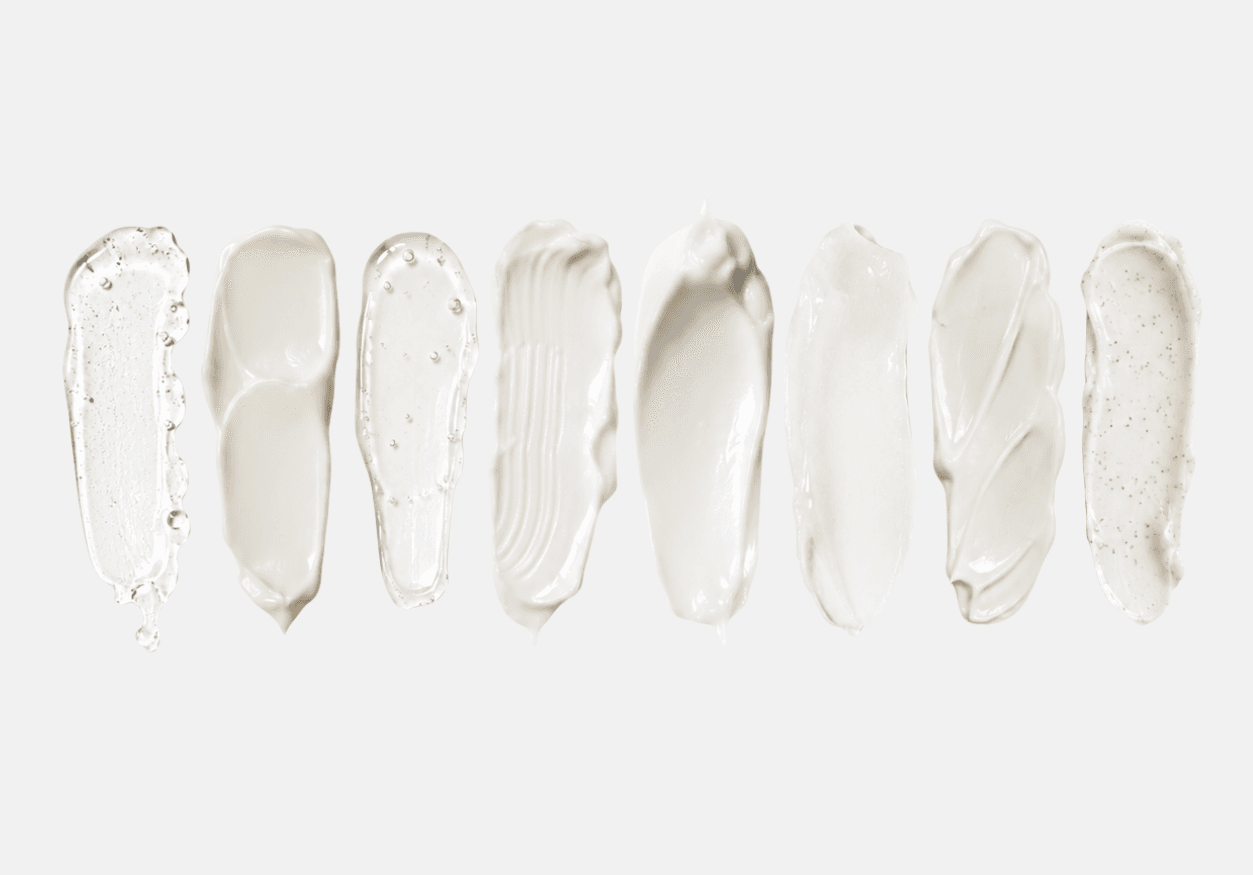
Creams and ointments generally provide more occlusive support than light lotions, which is why dermatologists often recommend richer formats for very dry skin.
This does not mean oily skin must use a heavy cream or that everyone needs facial oil.
Adjust according to how the skin feels:
• Choose a fluid moisturiser when richer layers feel sticky
• Use a more cushioning cream when tightness returns quickly
• Apply an ointment only to persistently flaky areas when needed
• Increase frequency before dramatically increasing quantity
A few drops of oil can improve softness, but oil alone is not a complete moisturiser and does not automatically repair dryness.
Hard water may contribute, but it is rarely the whole explanation
Hard water contains higher levels of minerals such as calcium and magnesium. Research has associated it with cleanser deposition, dryness and eczema risk in some populations. The evidence is stronger for irritation and eczema than for the idea that mineral deposits prevent facial moisturiser from absorbing.
There is also limited evidence that using filtered water as a final rinse reliably solves facial dryness.
Before changing the water source, examine:
• Cleanser type
• Water temperature
• Washing frequency
• Exfoliation habits
• Moisturiser texture
• Indoor humidity
Hard water may be one influence, but it should not become the automatic explanation for every dry skin concern.
The skin may be irritated rather than simply dry
Retinoids, exfoliating acids, benzoyl peroxide and some prescription treatments can cause dryness, scaling and irritation.
In that case, adding more layers without adjusting the treatment frequency may provide only temporary relief.
Try simplifying the routine and using one dependable moisturiser consistently. When a treatment has been prescribed, speak with the prescribing professional before stopping it entirely.
Persistent dryness may need a diagnosis
Dryness that continues despite suitable cleansing and moisturising may not be a formulation problem.
Eczema, contact dermatitis, psoriasis, certain medications and other health conditions can all affect how the skin retains water and tolerates products.
Seek professional advice when dryness includes:
• Persistent itching
• Cracking or bleeding
• Swelling
• A recurring rash
• Significant burning
• Scaling around the eyes or mouth
• No improvement despite consistent care
Moisturiser can improve dry skin, but it cannot correct every reason skin becomes dry.
The better question is not, “How much more cream should I apply?”
It is, “What keeps removing comfort faster than my routine can restore it?”
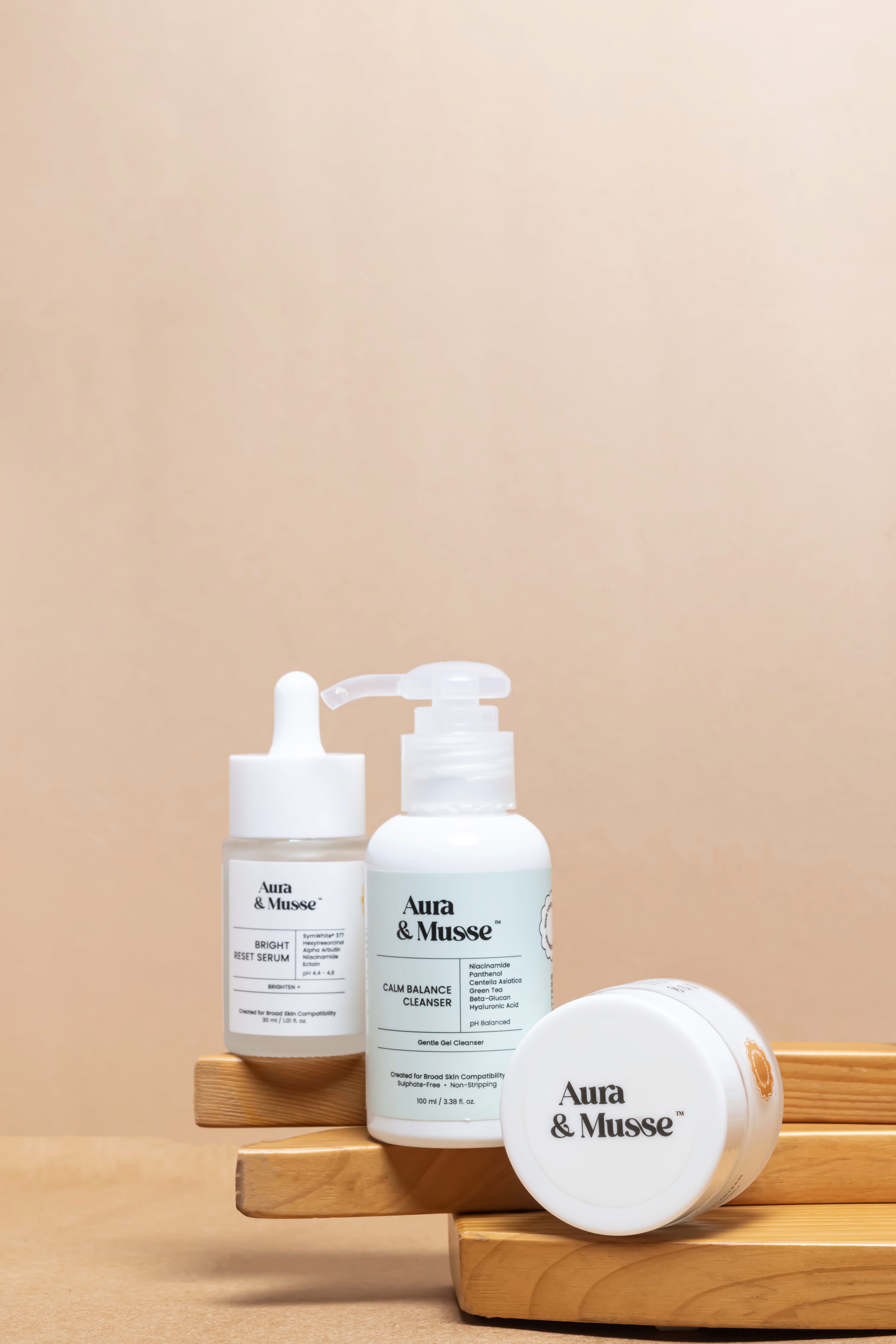
Shop our newest launch: Barrier Balance Moisturizer