Skin Concerns
Supporting barrier recovery is less about finding a natural cure and more about reducing irritation while giving the skin consistent cleansing, moisture and protection.

The skin barrier already has its own repair machinery.
So repairing it “naturally” does not require homemade masks, raw oils or ingredients taken directly from the kitchen. It means creating conditions that allow normal recovery to continue without repeated disruption.
Barrier care begins with removing the problem before adding another solution.
Simplify what touches the skin
When the skin feels unusually tight, flaky, sore or reactive, temporarily reduce products that commonly increase irritation.
Pause:
• Exfoliating acids
• Facial scrubs and cleansing brushes
• Retinoids
• Strong acne treatments that are not medically required
• Fragranced mists and essential oils
• Newly introduced active products
Keep the routine centred on a gentle cleanser, a suitable moisturiser and daily sunscreen.
There is no universal three or four week recovery period. Mild irritation may settle within days, while more significant disruption can take longer. Recovery depends on the cause, severity and whether an underlying skin condition is present.
Cleanse for necessity, not sensation
A cleanser should remove what has accumulated without leaving the skin persistently tight or uncomfortable.
Choose a mild, fragrance free formula and use lukewarm water. Scrubbing, hot water and frequent washing can add friction and dryness when the skin is already reactive. Dermatology guidance consistently recommends gentle cleansing and regular moisturising for dry or compromised skin.
Morning cleansing can be adjusted to the individual. Some people may be comfortable rinsing with water, while oily skin or overnight product residue may still require cleanser.
A hydrating mist is not automatically gentler than water. It may contain fragrance, alcohol or botanical ingredients that sting compromised skin.
Moisturise while the skin is still slightly damp
Applying moisturiser soon after washing can help limit the water lost as the skin dries. The face should feel slightly damp, not dripping wet.
Dermatologists often recommend applying a fragrance free moisturiser immediately after bathing or washing for this reason.
A useful formula may combine:
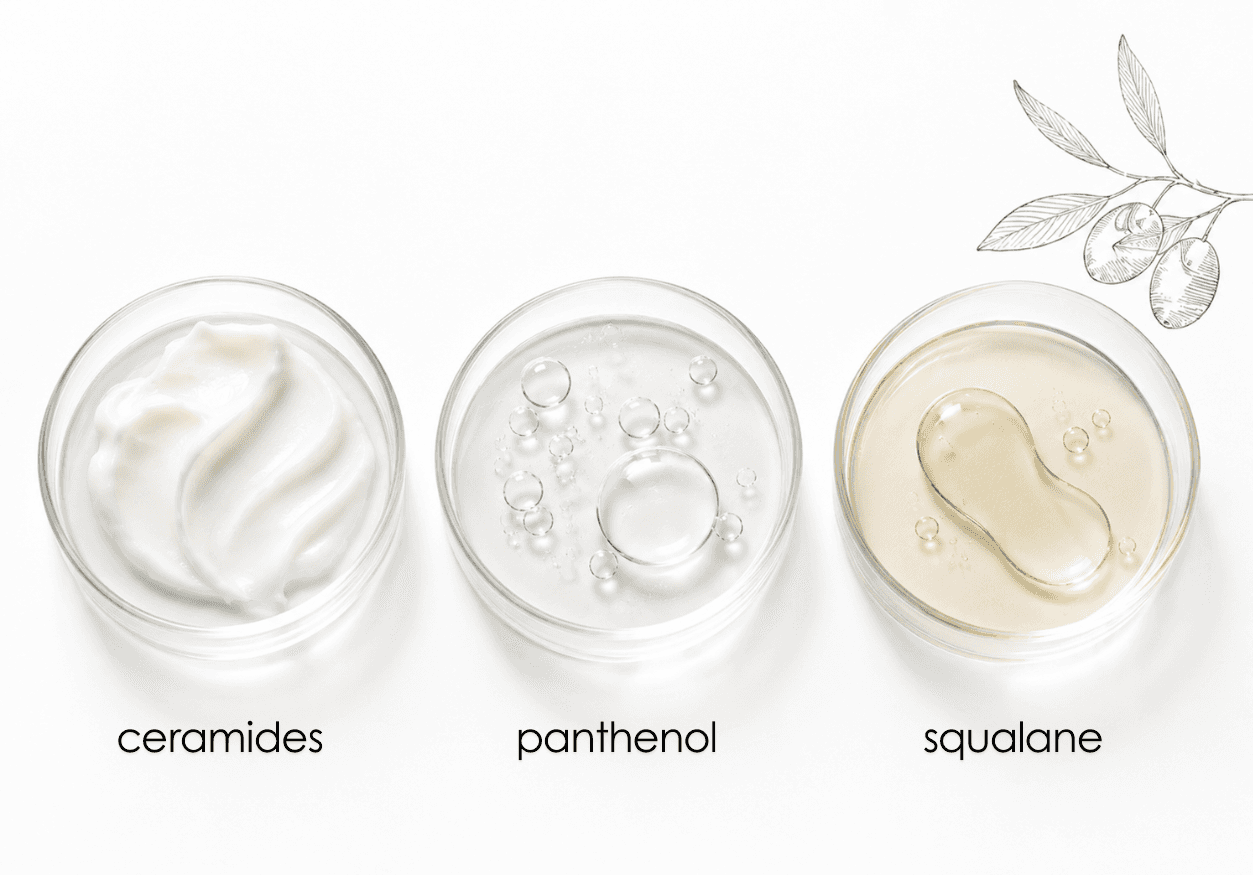
Humectants, such as glycerin, panthenol or hyaluronic acid, which help increase water in the outer skin
Emollients, such as squalane, which improve softness and reduce roughness
Occlusive ingredients, which form a surface film that slows evaporation
A separate hydrating serum is optional. One well designed moisturiser may already provide all three functions.
Look for lipids in a complete formula
Ceramides, cholesterol and fatty acids are major components of the skin’s natural lipid matrix. Ceramides account for roughly half of these lipids by weight.
Topical formulas containing these lipids may support hydration and barrier recovery, but their presence alone does not guarantee performance. Research indicates that composition and ratio can influence how a moisturiser affects barrier function.
The skin does not simply recognise every familiar lipid and place it into the correct position.
The completed formula still determines delivery, texture and effectiveness.
Use soothing ingredients realistically
Panthenol has clinical evidence supporting improved hydration and measurements of barrier recovery in topical formulas.
Ingredients such as colloidal oat, beta glucan, centella asiatica, allantoin and ectoin may also contribute to comfort, depending on the extract, concentration and overall product.
They do not silence exposed nerves or switch inflammation off.
Their more realistic role is to help create a formula that feels comfortable while the source of irritation is removed.
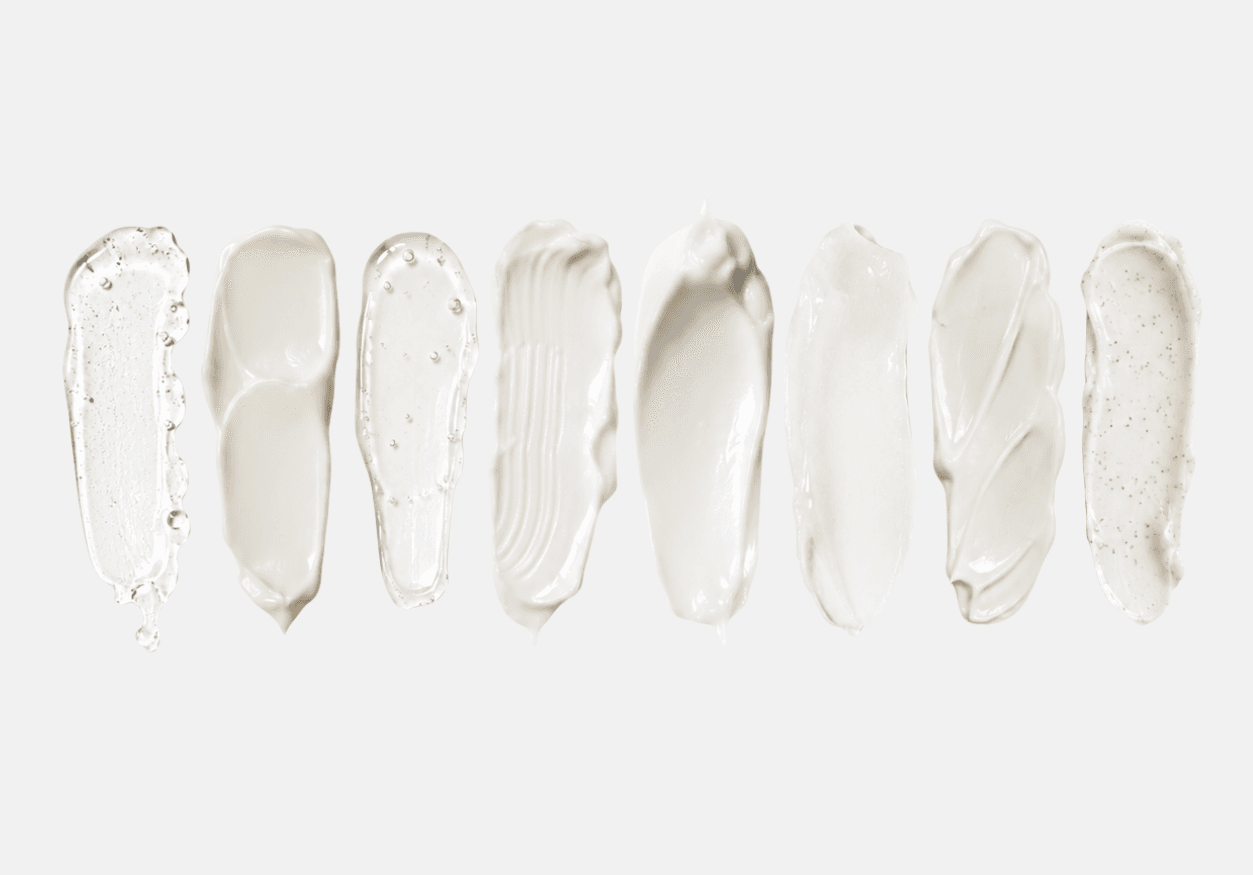
Adjust texture, not the need for moisture
Hot and humid weather can make rich layers feel sticky. Dry indoor cooling may make a lightweight product feel insufficient.
Adapt the format without abandoning moisturiser altogether.
In humidity, use a smaller amount or choose a fluid lotion.
In dry conditions, add a more cushioning cream at night.
After heavy sweating, rinse or cleanse gently when practical, then reapply moisturiser or sunscreen as needed.
Skin does not need to breathe through a moisturiser. The goal is simply to avoid a texture that feels uncomfortably heavy.
Be careful with the hard water explanation
Hard water has been associated with eczema risk and increased cleanser deposition in some research, particularly in susceptible skin. However, it does not explain every case of facial sensitivity, and installing a water softener has not consistently been shown to treat existing eczema.
Before blaming the water alone, examine the cleanser, water temperature, washing frequency and amount of friction involved.
Reintroduce active products slowly
Once ordinary cleansing and moisturising feel comfortable again, introduce one active product at a time.
Start less frequently than before. Keep the rest of the routine stable and observe the skin for several days.
If burning, swelling or persistent redness returns, stop the new product rather than trying to push the skin through it.
Ongoing rashes, cracking, itching, swelling or sensitivity to many unrelated products may indicate eczema, rosacea or contact allergy. These concerns need diagnosis, not endless barrier experiments.
Barrier recovery is not a special ritual. It is the removal of repeated stress, followed by suitable moisture, protection and enough time for the skin to do what it already knows how to do.