Seasonal Skin
Lightweight skincare often feels better in humidity because it spreads evenly, leaves less residue and layers more comfortably with sweat and sunscreen.
Lightweight skincare does not automatically perform better in humid weather.
It often performs better for the person wearing it.
A product that spreads quickly, settles comfortably and layers well beneath sunscreen is easier to apply correctly and continue using. In heat and humidity, that practical advantage can matter more than whether the formula is labelled a gel, lotion or cream.
The best humid weather formula is not the thinnest one. It is the one that leaves the right amount behind.
Humid air does not hydrate the skin for you
High humidity means the air contains more water vapour, but that does not remove the skin’s need for moisturisation.
Humectants can interact with moisture from the environment, particularly at very high humidity. Yet skin may still become dry or irritated through sun exposure, air conditioning, swimming, cleansing and active treatments. Dermatology guidance recognises that dry skin can occur even during hot and humid weather.
The advantage of a lighter moisturiser is therefore not that humidity has completed the hydration step.
It is that the formula may deliver sufficient hydration without adding a dense or uncomfortable surface film.
Texture influences whether a product gets used properly
The feel of skincare is determined by its full physical structure.
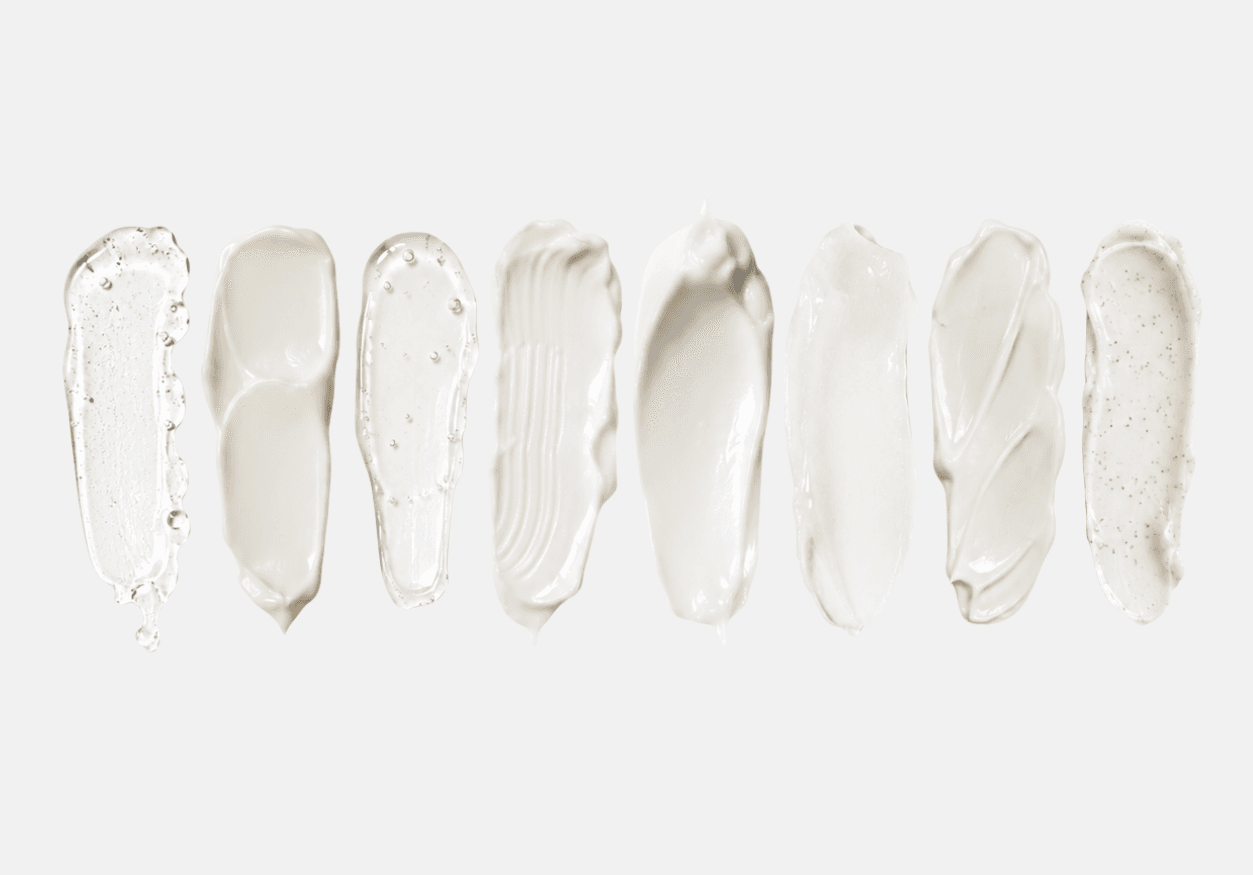
Viscosity, spreadability, friction during application and the film remaining afterward all influence whether a product feels light, waxy, greasy or sticky. Studies of cosmetic emulsions show that thickening systems and rheological properties can significantly change both application and afterfeel.
This means two products with similar ingredients can feel completely different.
A lightweight formula may:
• Spread across the face with less resistance
• Require less rubbing during application
• Settle with a less noticeable film
• Layer more smoothly beneath sunscreen
• Feel more comfortable when mixed with sweat and sebum
These are sensory and practical benefits. They do not prove that the formula is delivering more active ingredient into the skin.
Heavy formulas do not stop heat from escaping
Rich creams and waxes are sometimes described as trapping heat or preventing the skin from breathing.
Skin does not breathe through its surface, and available research does not support the idea that an ordinary cosmetic film automatically blocks normal cooling. A study assessing sweat resistant sunscreen found that the tested formulations did not interfere with sweat cooling during exercise.
However, a rich film can feel warmer when sweat remains beneath or mixes with it.
That sensation may be caused by:
• Reduced sweat evaporation in humid air
• A more noticeable layer on the surface
• Increased slip as sweat and skincare combine
• Several products moving against one another
• Sunscreen and makeup becoming less stable
Comfort and temperature regulation are not the same thing.
A product may feel enclosed without physically preventing the body from cooling itself.
Lightweight does not mean oil free
A formula can contain emollients and still feel light.
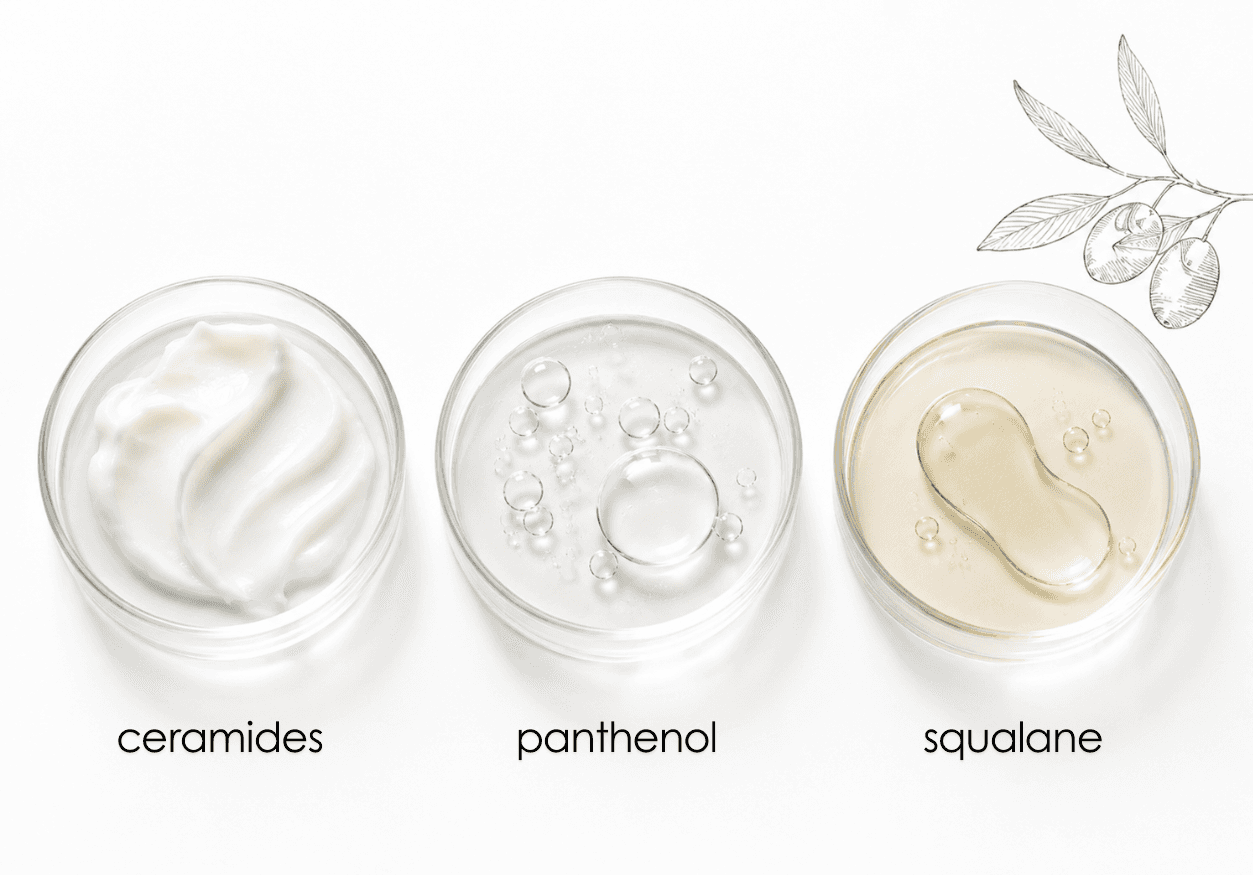
Ingredients such as isoamyl laurate and C12 15 alkyl benzoate are often used because they spread easily and can help reduce a greasy afterfeel. Squalane may also contribute softness and slip, depending on how much is used and what surrounds it.
But no ingredient guarantees breathability or a dry finish.
Silicones can feel silky or heavy. Oils can feel weightless or rich. Gel creams can feel fresh or extremely sticky.
The ingredient list creates possibilities. The formula creates the finish.
Lighter layering can improve sunscreen wear
Sunscreen must form a sufficiently even film to deliver its labelled protection. The vehicle, texture and physical behaviour of a sunscreen can influence how that film forms across the skin.
Applying several rich or slow setting products underneath may cause sunscreen to slide, pill or apply unevenly.
A simpler morning routine can reduce those interactions:
Use one treatment or hydrating step
Apply a lightweight moisturiser only when needed
Finish with the correct amount of sunscreen
A moisturising sunscreen may replace a separate moisturiser for some people. For others, particularly those using drying acne treatments, an additional moisturiser may still improve comfort. Dermatologists continue to recommend moisturising oily and acne prone skin when it feels dry.
The aim is not to remove essential steps.
It is to remove repeated textures performing the same job.
Lightweight skincare does not regulate sebum by reassurance
Sebaceous glands do not interpret a light texture as safety and a heavy texture as threat.
Sebum production is influenced largely by hormones, genetics, age and gland activity. Moisturising may reduce dryness and improve tolerance to acne treatments, but a lightweight emulsion does not directly instruct the skin to produce less oil.
It may simply make existing oiliness feel more manageable because less greasy residue is being added to the surface.
That distinction matters.
Less visible shine does not always mean less sebum. Sometimes it means a better finish.
A practical humid weather routine
Morning
• Cleanse only as needed
• Use one purposeful serum
• Add a light lotion or gel moisturiser when required
• Apply broad spectrum, water resistant sunscreen
During the day
• Blot sweat instead of rubbing
• Reapply sunscreen after significant sweating or prolonged exposure
• Avoid adding repeated hydrating mists when the surface already feels sticky
Evening
• Cleanse away sunscreen, sweat and daily residue
• Use treatment only when needed
• Adjust moisturiser according to time spent in air conditioning
Gel moisturisers are often recommended for oily skin and hot, humid conditions because many people find the texture easier to tolerate. Richer creams may still be appropriate when the skin is dry, irritated or undergoing treatment.
Lightweight skincare performs well in humidity when it solves a practical problem.
It reduces unnecessary residue, improves layering and makes the routine easier to wear through heat, sweat and sunscreen.
Its advantage is not that it does less. It is that you feel less of it while it works.