Skin Concerns
When active ingredients leave skin burning, red or flaky, the safest response is to pause treatment and rebuild comfort with a deliberately simple routine.
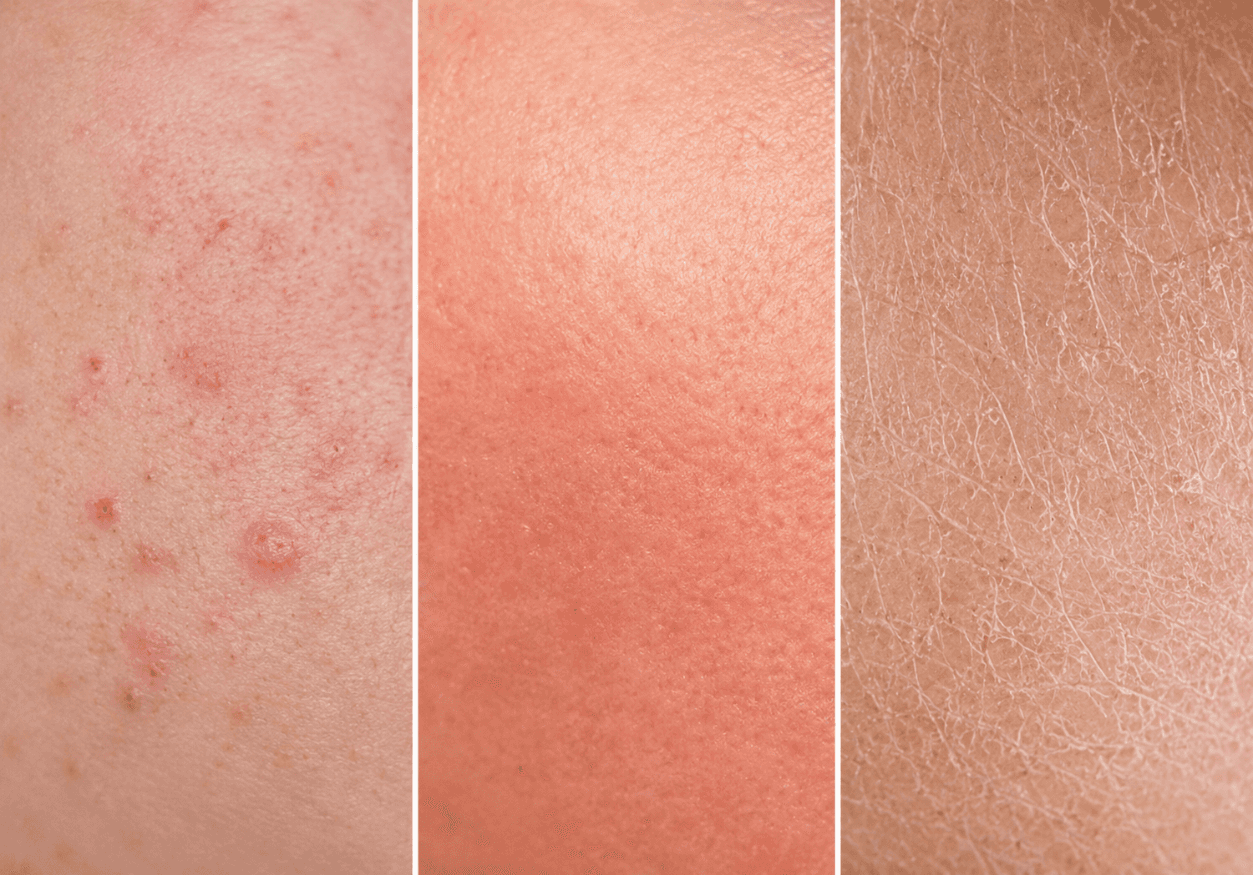
When acids, retinoids and brightening treatments are introduced too quickly, the skin may respond with burning, redness, scaling or tenderness.
At that point, another corrective serum is rarely the answer.
The priority is to stop the source of irritation, reduce unnecessary contact and keep the skin comfortable while it recovers.
Irritated skin does not need to be challenged into adapting.
Pause the likely triggers
Temporarily stop products that burn, sting or visibly worsen the irritation.
This commonly includes:
• Exfoliating acids
• Retinoids
• Scrubs and cleansing tools
• Strong acne treatments
• Concentrated vitamin C formulas
• Fragrance, essential oils and perfumed mists
Topical retinoids and exfoliating ingredients can cause dryness, redness, burning and scaling, particularly when used too frequently or in excessive amounts. Dermatologists commonly recommend pausing irritating products and using moisturiser until the skin becomes comfortable again.
There is no universal ten or fourteen day recovery period. Mild irritation may settle quickly, while more significant reactions may require longer.
Let comfort guide the timeline, not the calendar.
Cleanse only as much as necessary
Use a mild, fragrance free cleanser with lukewarm water.
One evening cleanse may be enough when the skin is dry and no heavy sunscreen or makeup remains. Morning cleansing can be reduced when the face feels clean and comfortable.
Water alone is not always soothing. When even water stings, wiping the face repeatedly with cotton or misting it throughout the day can add friction and expose the skin to more ingredients.
Instead:
Keep washing brief
Avoid washcloths and cleansing brushes
Pat gently with a soft towel
Stop any cleanser that creates persistent burning
Use one dependable moisturiser
A moisturiser helps increase hydration and reduce exposure to external irritants. Emollients are also central to the management of irritant and contact dermatitis because they help maintain hydration and protect the surface.
Look for a simple formula containing some combination of:
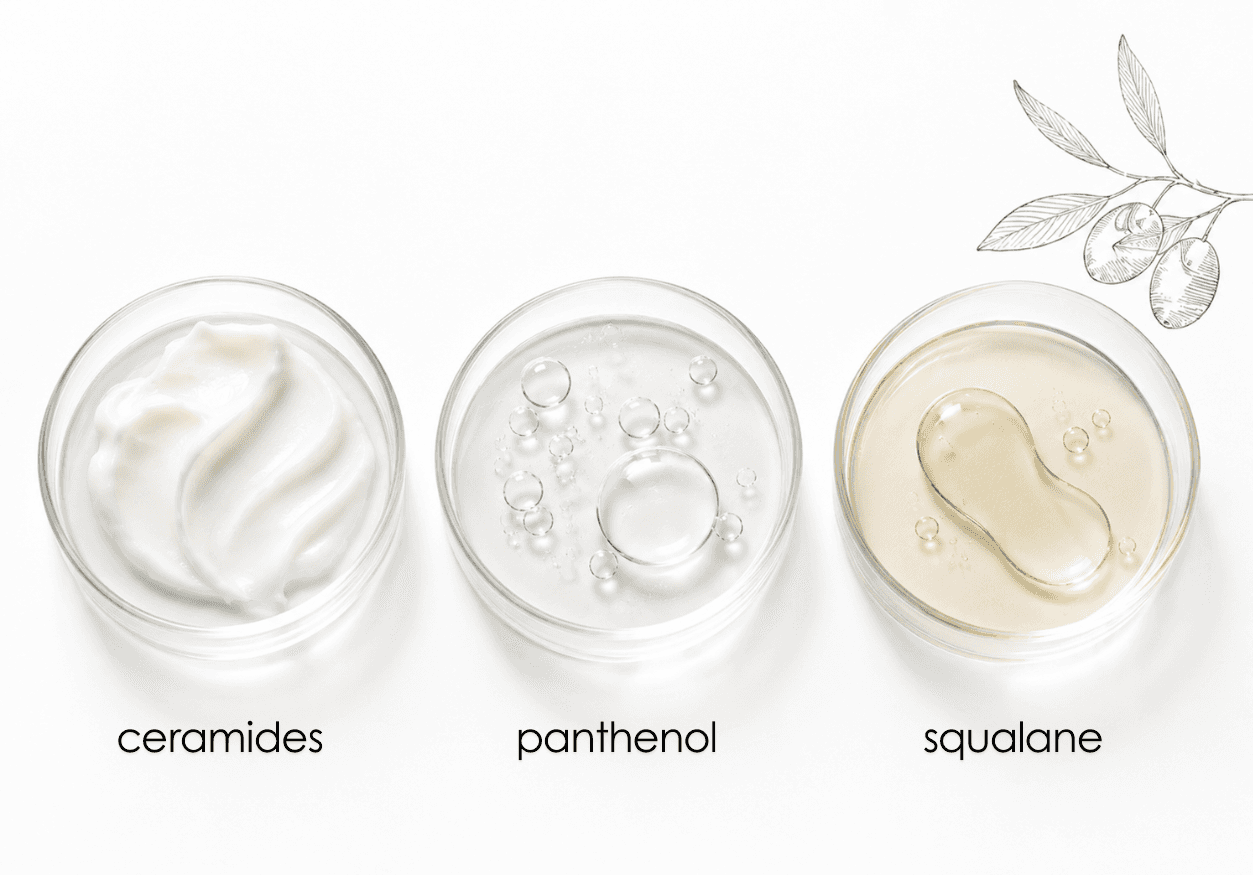
Humectants, such as glycerin or panthenol
Emollients, such as squalane or other skin softening ingredients
Occlusive ingredients, which help slow water evaporation
Barrier lipids, such as ceramides, cholesterol and fatty acids
A separate toner, essence and hydrating serum are not essential. Several layers may create more opportunities for stinging without adding meaningful benefit.
Apply moisturiser after cleansing while the skin is slightly damp, provided this feels comfortable.
Treat soothing ingredients as support
Panthenol, colloidal oat, allantoin, centella asiatica, beta glucan and ectoin may contribute to a comfortable formula.
They do not switch inflammation off, silence nerve endings or guarantee that irritated skin will tolerate the product.
The complete formula matters more than the number of calming ingredients listed on the front.
When skin is reactive, predictability is often more valuable than novelty.
Protect without creating another reaction
Ultraviolet exposure can worsen redness and prolong post inflammatory pigmentation, so sun protection remains important.
Choose a broad spectrum sunscreen that does not sting and can be worn comfortably. Shade, hats and avoiding intense direct exposure can reduce reliance on repeated product application while the skin is highly reactive.
Sunscreen is protective care, but it is not medicine and no single texture is universally best for irritated skin.
When every sunscreen burns, prioritise physical shade and speak with a dermatologist rather than repeatedly testing new formulas on already inflamed skin.
Food is not usually the cause
Spicy food, alcohol, hot drinks and heat can increase flushing in people with rosacea or similar vascular sensitivity.
They are not established universal causes of irritation from excessive skincare actives.
Unless you recognise a consistent personal trigger, there is no need to place the skin on a restrictive food plan.
Sleep supports general health, but there is no precise overnight window in which repair enzymes suddenly peak and restore the barrier. Recovery depends more directly on removing the irritant and maintaining suitable care.
Reintroduce actives cautiously
Wait until ordinary cleansing and moisturising no longer cause burning, and visible redness or scaling has settled.
Then introduce one product at a time.
A useful approach is:
Begin once or twice weekly
Use a small amount
Keep the remaining routine unchanged
Increase frequency only when the skin stays comfortable
Pause again if persistent burning or redness returns
For retinoids, dermatologists commonly recommend starting with a lower strength, using it less frequently and applying moisturiser to reduce irritation.
Do not automatically restart every active that was previously in the routine.
Recovery is also an opportunity to ask which products were genuinely necessary.
Know when it is more than irritation
Seek medical advice when there is:
• Significant swelling
• Blistering or oozing
• Severe pain
• A spreading rash
• Cracking around the eyes or mouth
• Symptoms that continue despite stopping the suspected products
• Reactions to many unrelated formulas
These signs may indicate contact dermatitis, eczema, rosacea or another condition that requires diagnosis rather than continued skincare experimentation.
The fastest way forward is often to stop adding solutions.
Pause what caused the reaction, keep cleansing gentle, moisturise consistently and allow active treatment to return only when the skin is ready to tolerate it.