Ingredients
The best ingredients for sensitive skin do not build toughness overnight, but they can improve hydration, comfort and tolerance when the complete formula is well designed.
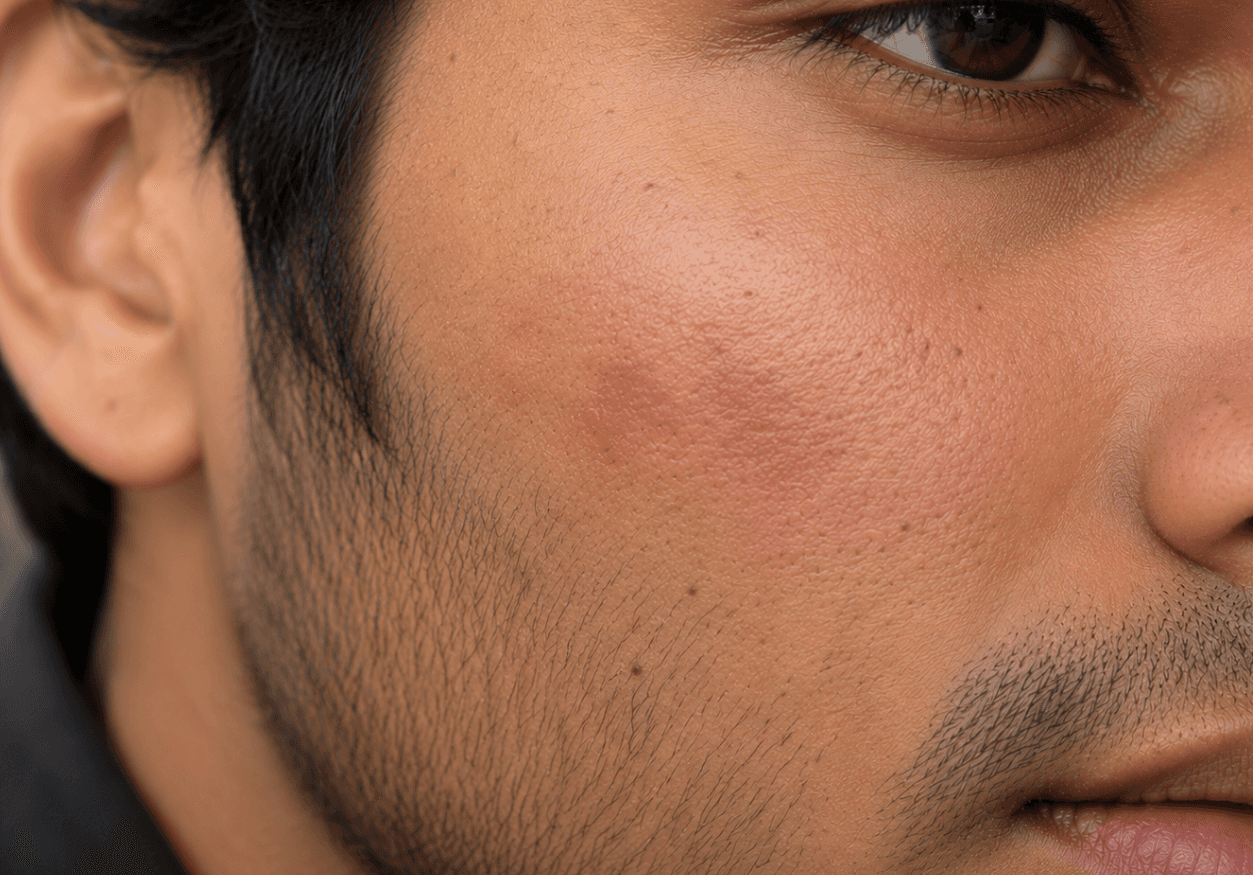
Sensitive skin does not need to be trained into silence.
It needs fewer avoidable triggers, appropriate hydration and formulas that remain comfortable during regular use.
This distinction matters because soothing a temporary sting is not the same as increasing long term tolerance. Ingredients can support the conditions around sensitive skin, but they cannot teach its nerves or immune system to respond differently on command.
Start with the formula, not the hero ingredient
Sensitive skin reacts to complete products, not isolated ingredient names.
Fragrance, preservatives, solvents, active concentrations and even the way a product is layered can influence tolerability. A botanical marketed as calming may still irritate someone who is allergic to one of its components.
This is why fragrance free formulas are often a more sensible starting point for reactive skin. Fragrance is a recognised cause of both irritation and allergic contact dermatitis, while the word unscented does not necessarily mean that fragrance related ingredients are absent.
The gentlest sounding ingredient list is not always the gentlest formula.
Centella asiatica
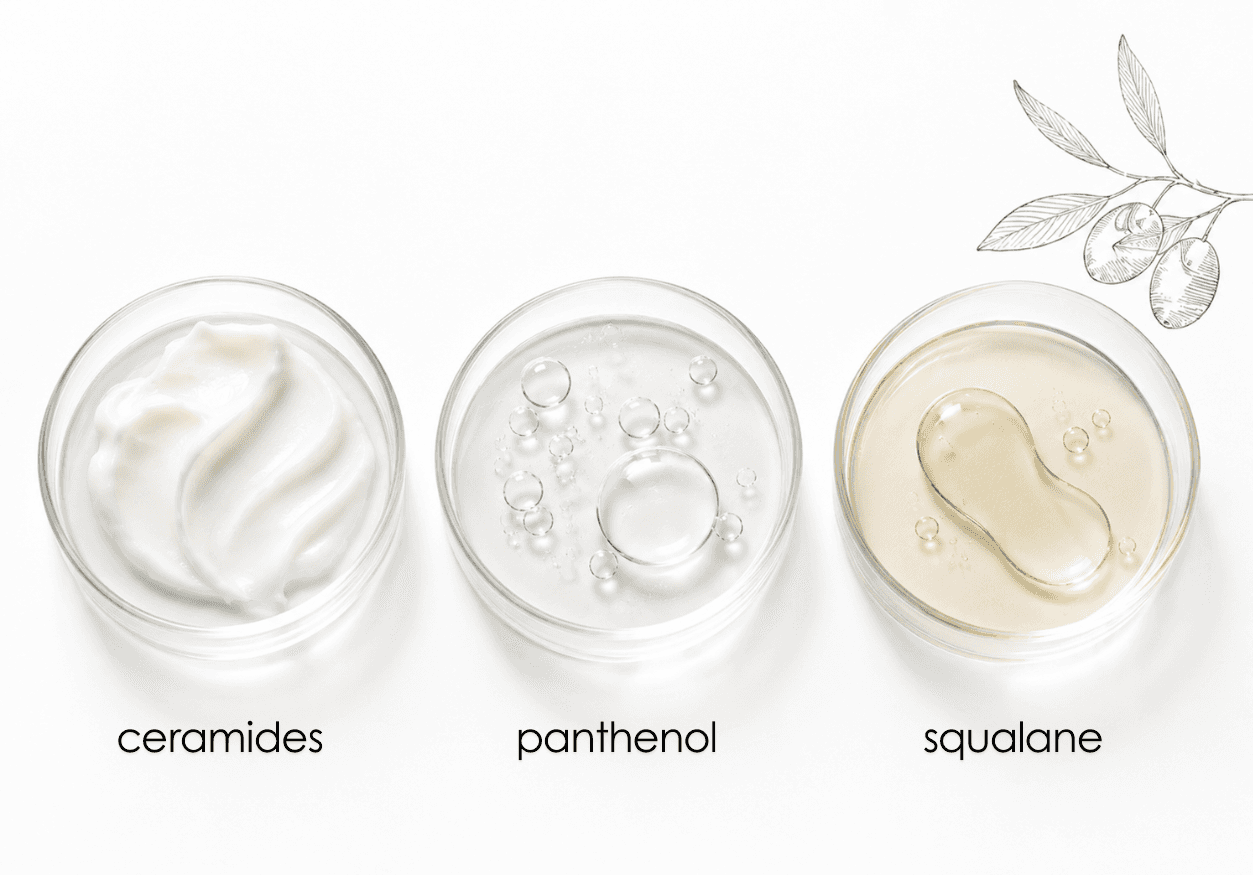
Centella asiatica, commonly called cica, contains several biologically active compounds, including asiaticoside and madecassoside.
Laboratory and clinical research suggests that centella extracts may offer antioxidant, moisturising and inflammation moderating effects. However, the strength of evidence varies according to the specific extract, concentration and product tested.
Centella does not directly rebuild every area of microscopic damage or universally stop redness.
Its more realistic value is as one supportive component within a formula designed to improve comfort and hydration.
Beta glucan
Beta glucan is a group of sugar molecules that may be sourced from oats, yeast, mushrooms and other materials.
In topical products, beta glucan can act as a water binding and film forming ingredient. Early studies suggest possible benefits for hydration and sensitive skin, but the amount of strong clinical evidence remains more limited than its popularity might suggest.
Its action should not be described as sending a calm message directly to immune receptors.
A clearer claim is that it may help create a more hydrated, comfortable surface environment.
Panthenol
Panthenol, also known as dexpanthenol, is a derivative of vitamin B5.
Among ingredients commonly promoted for sensitive skin, panthenol has comparatively useful clinical evidence. Formulas containing it have been associated with improvements in hydration, redness and measurements related to moisture loss.
Its value is not that it makes skin produce unlimited new lipids from within.
It is useful because it can support hydration, softness and recovery after irritation.
Rare allergic reactions to panthenol have also been reported, which is an important reminder that even widely tolerated ingredients are not universally suitable.
Allantoin and bisabolol
Allantoin and bisabolol are frequently included in products intended to feel soothing and comfortable.
They may contribute conditioning, soothing and inflammation moderating properties, but they do not remove friction in a literal sense or guarantee that stronger active ingredients will become non irritating.
Their role is supportive.
They can improve the character of a formula, but they cannot rescue one that is fundamentally too aggressive for the person using it.
What sensitive skin should actually look for
Instead of searching for one miracle ingredient, consider the entire product:
• Fragrance free rather than simply unscented
• Comfortable during and after application
• Free from unnecessary combinations of strong active ingredients
• Designed with humectants, emollients and appropriate moisture support
• Introduced gradually and tested on a small area first
• Simple enough that a reaction can be traced more easily
Patch testing a new product for several days before wider use can help identify possible irritation or allergy, although professional patch testing may be needed when reactions are persistent or difficult to explain.
Sensitive skin does not need ingredients that promise to make it stronger. It needs formulas that give it fewer reasons to react.
The best ingredient is therefore rarely the loudest name on the front of the bottle.
It is the one that performs its role quietly, inside a formula the skin can continue using comfortably.